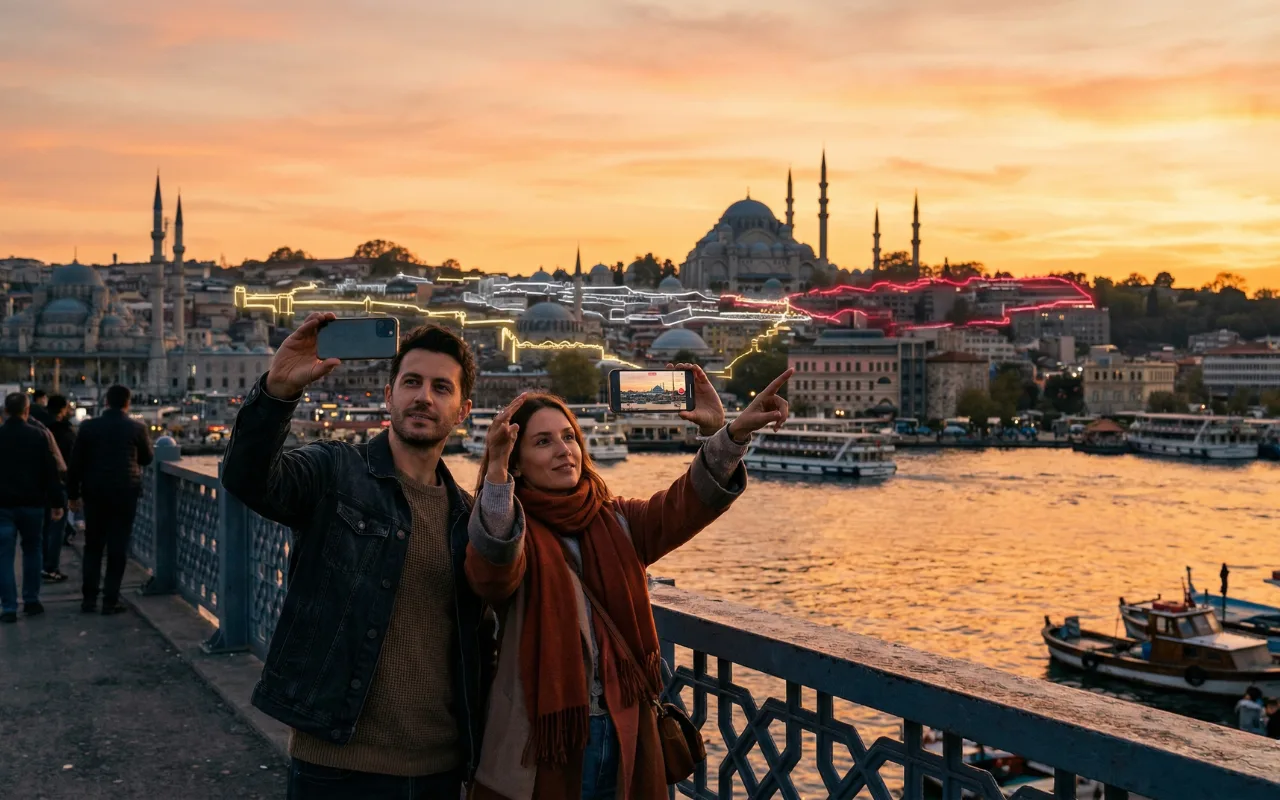
IstanbulOutdoor Escape Game & Treasure Hunt
From Byzantium to the Ottomans — 10 escape games across two continents
Istanbul, a city where history whispers from every corner and East meets West, is a truly captivating destination. Between the majestic minarets of the Blue Mosque, the timeless grandeur of Hagia Sophia, and the colorful bustle of the Grand Bazaar, there's so much to discover. But if you're looking for a unique and memorable activity to explore this extraordinary metropolis, OddballTrip.com invites you on an adventure like no other. Off the beaten path, our outdoor escape games transform you into explorers, solving riddles while wandering through iconic neighborhoods like Sultanahmet or Galata. Imagine a real-life treasure hunt, a captivating scavenger hunt that unveils the secrets from Byzantium to the Ottomans. Ready to dive into Istanbul's history and legends in a fun way? Discover our 10 escape games awaiting you across two continents.
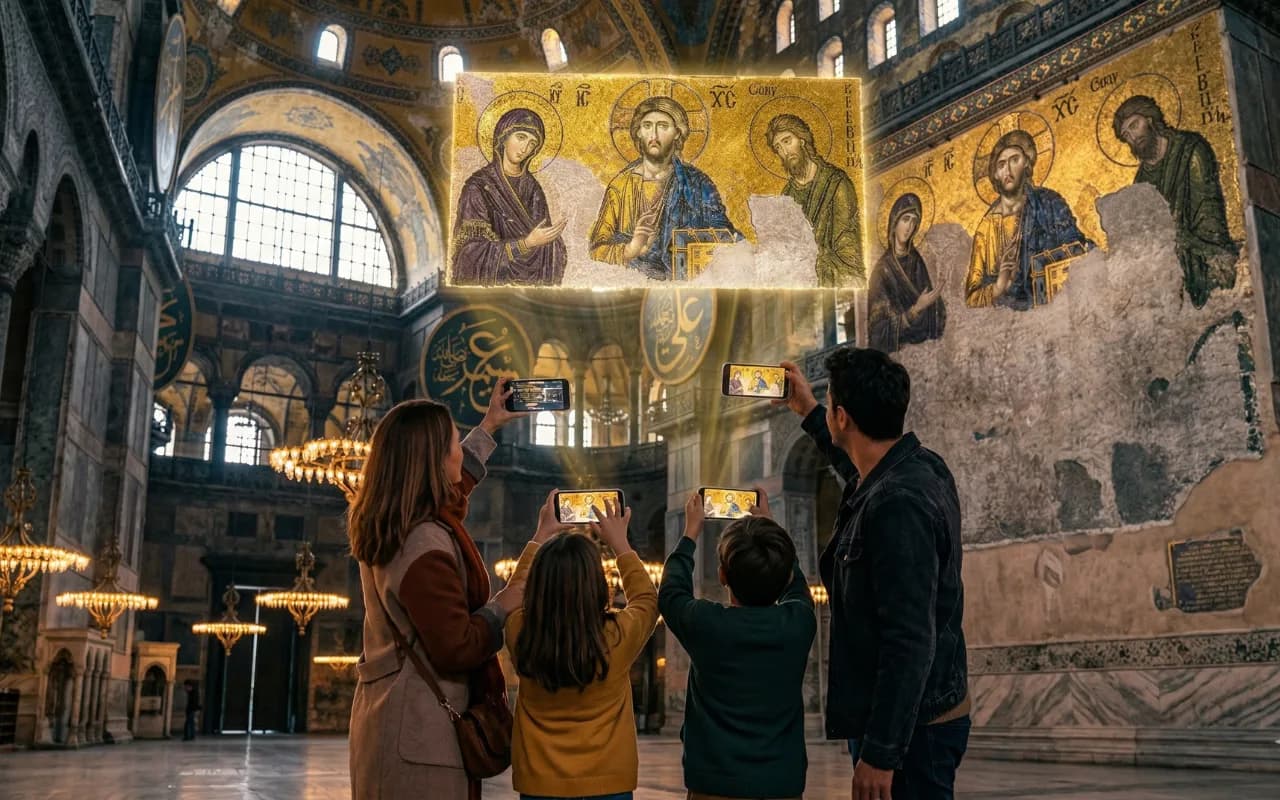
The Mosaics of Justinian
Hagia Sophia and the light of Byzantium
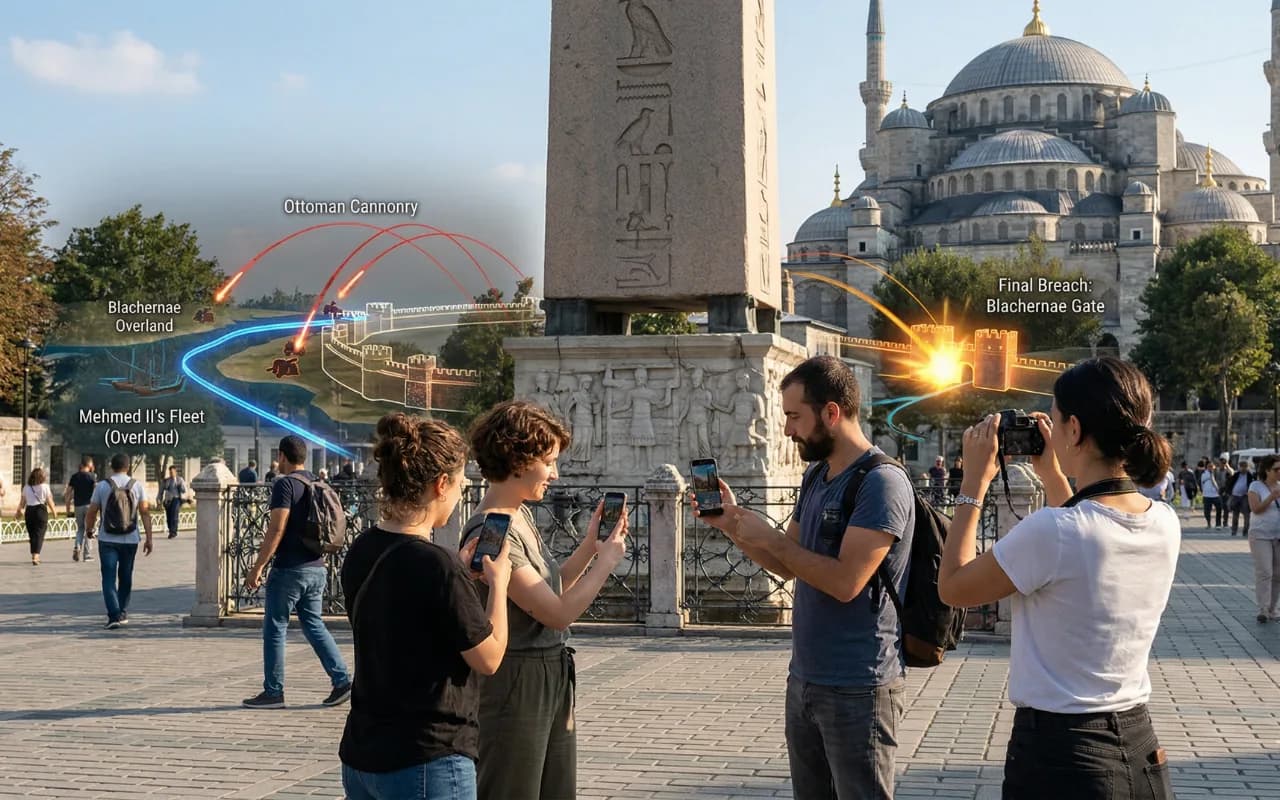
The Fall of Constantinople
29 May 1453: the day the world shifted
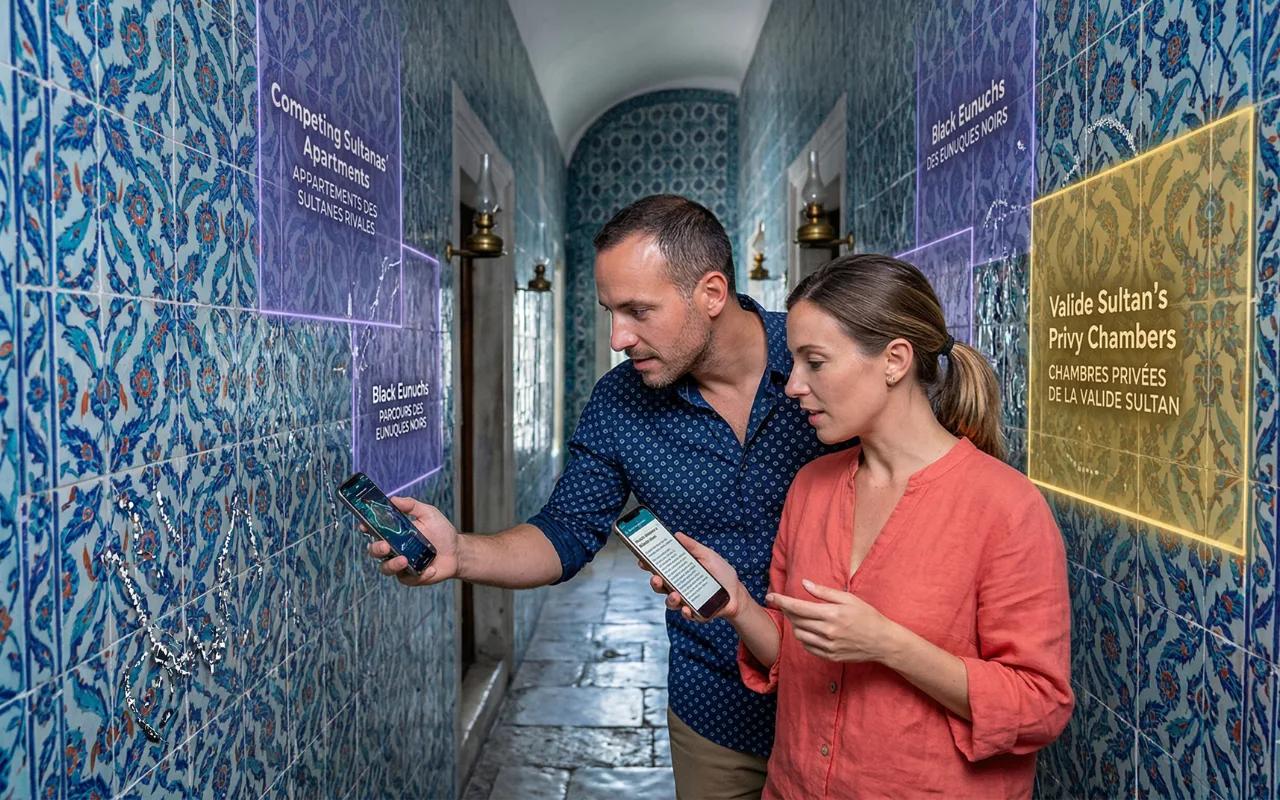
Intrigues of the Harem
Roxelana, Kösem and the power of the sultanas
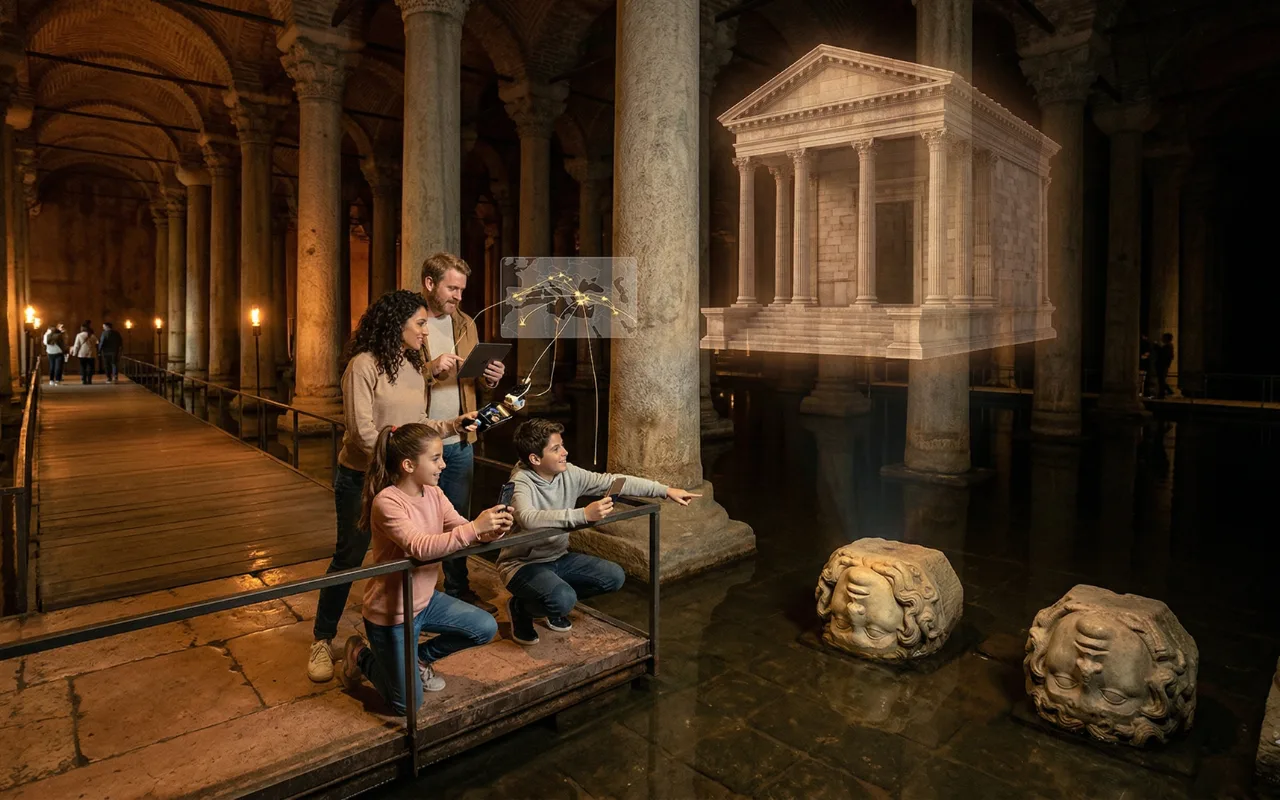
The Cistern of a Thousand Columns
The secret water of Constantinople
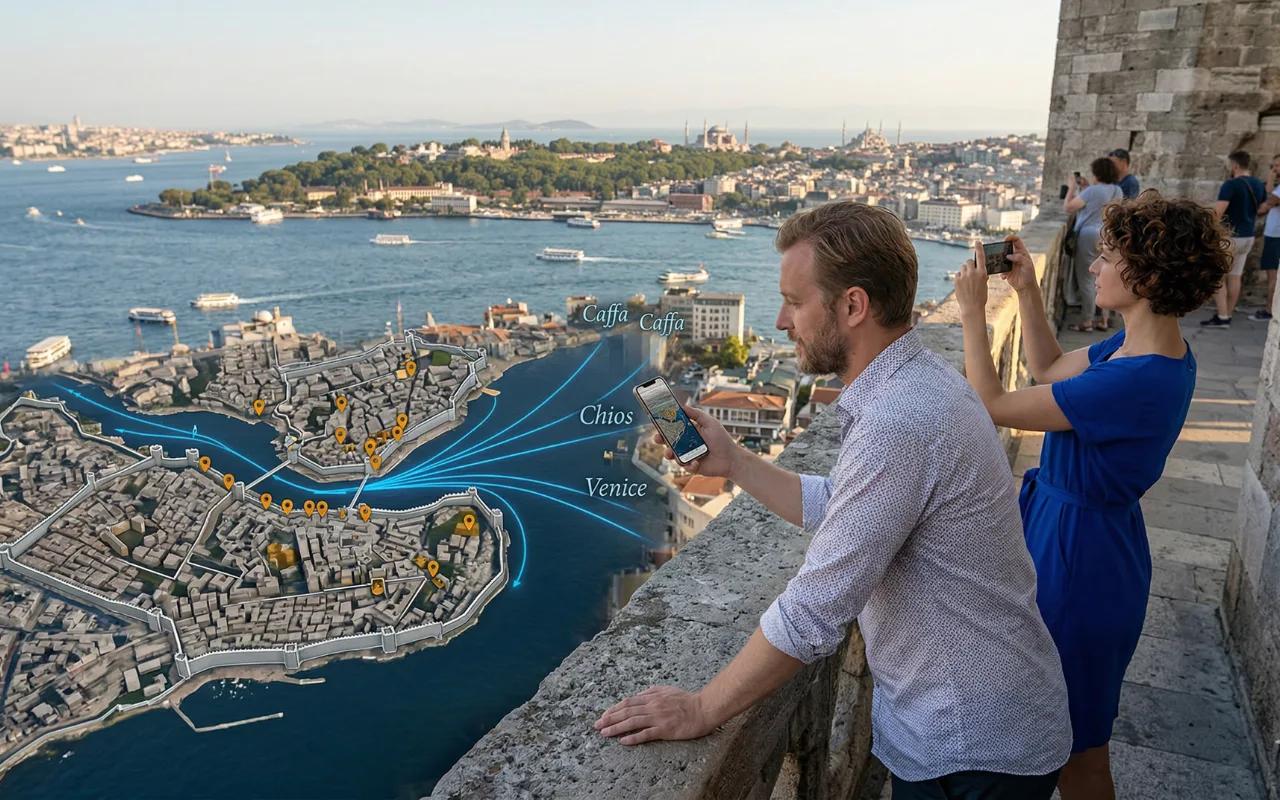
The Merchants of Galata
Genoese, Venetians and the tower that sees all

The Spies of Pera
Grande Rue de Péra and shadow diplomacy
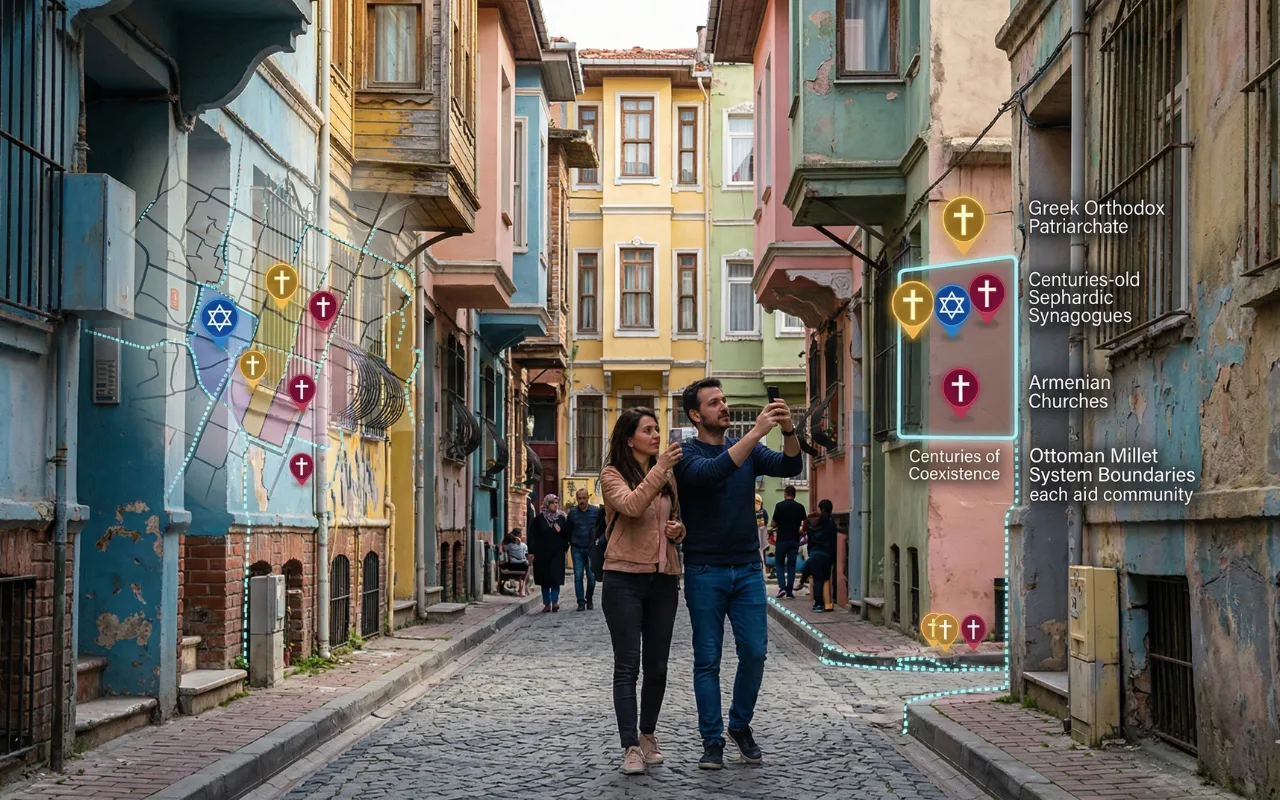
The Patriarch and the Sultan
Fener, Balat and the forgotten Golden Horn
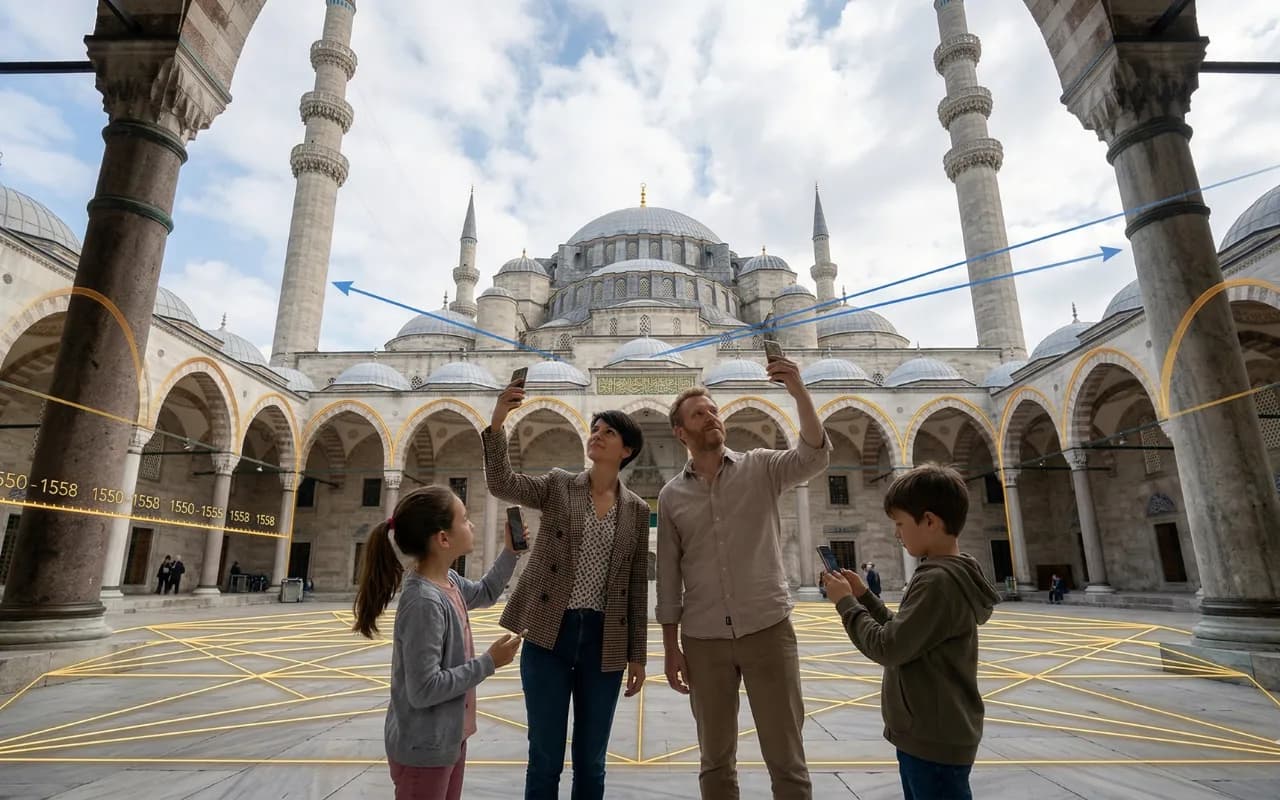
Suleiman and the Architect
Sinan, the Ottoman Michelangelo
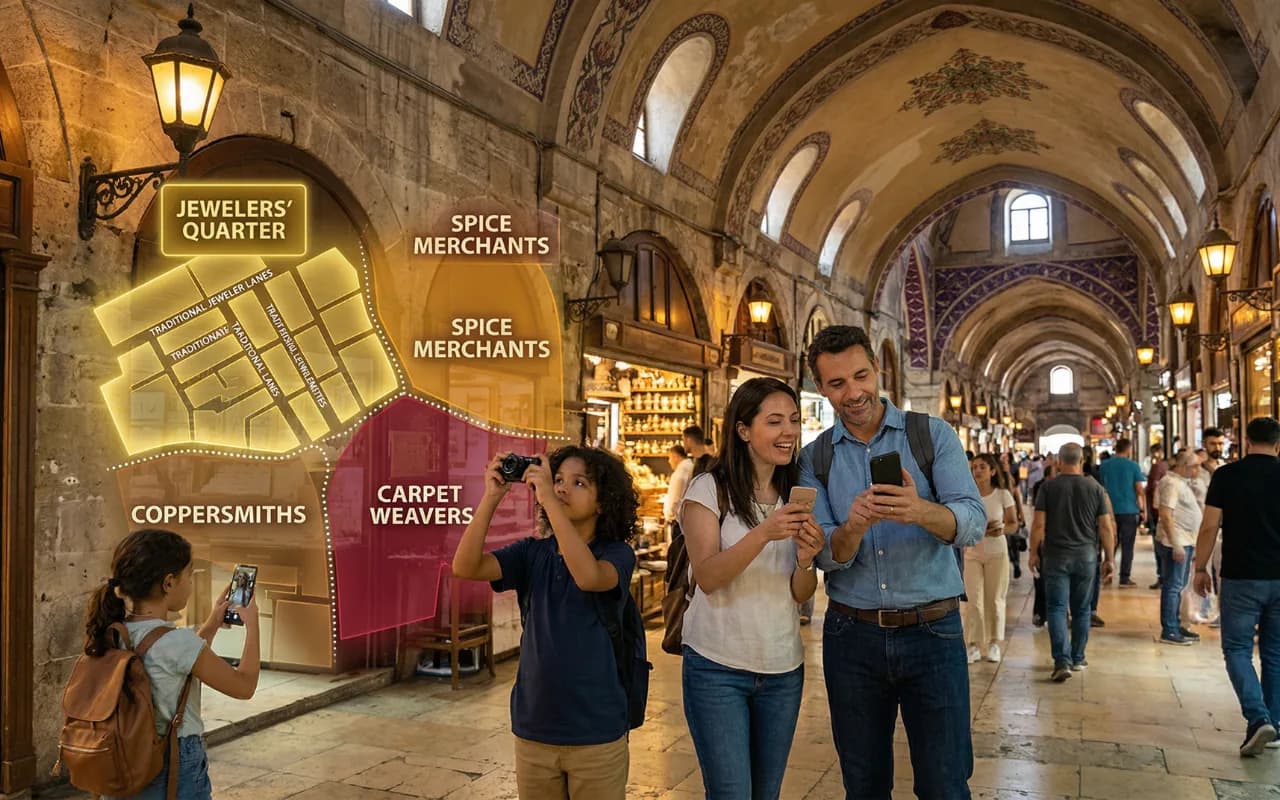
The Grand Bazaar and the Guilds
The world's oldest covered market
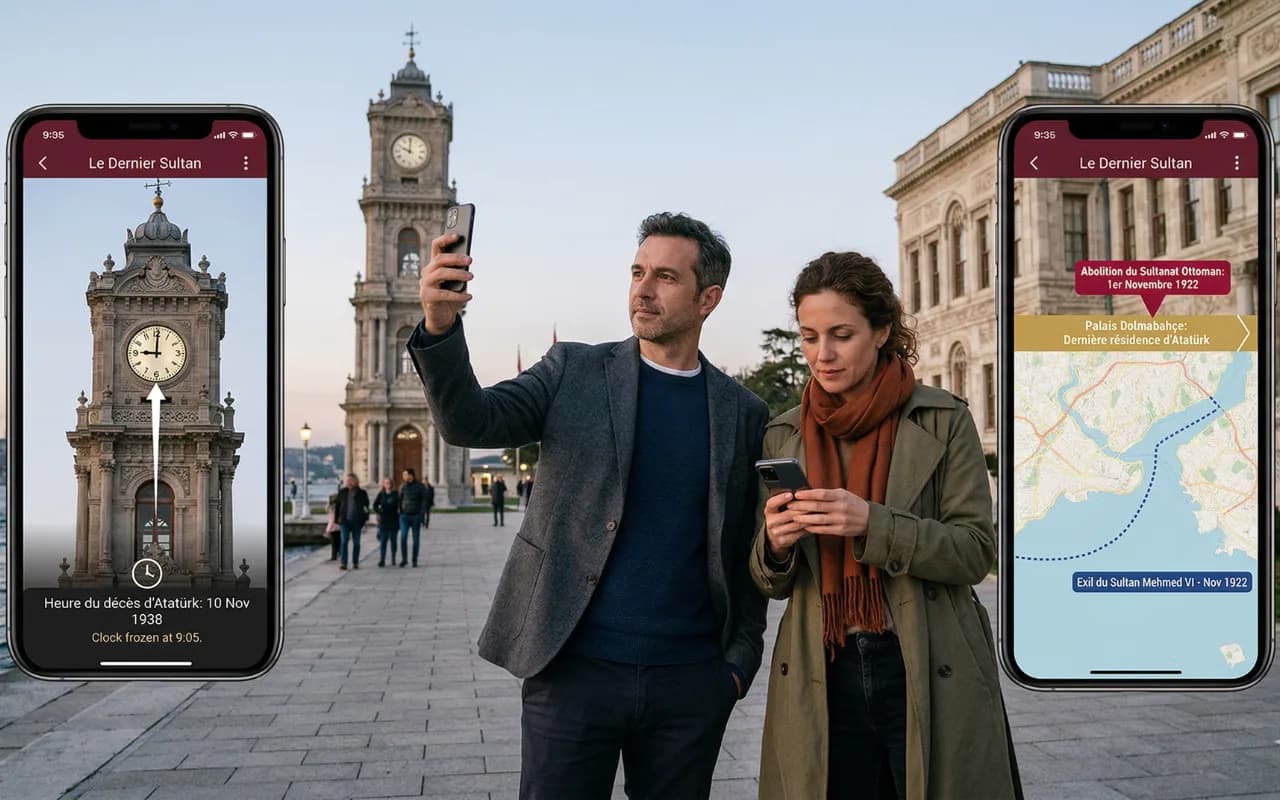
The Last Sultan
Dolmabahçe, Atatürk and the end of an empire
Unusual things to do in Istanbul
Are you looking for unique activities in Istanbul, something out of the ordinary? Our outdoor escape games are exactly what you need! Forget traditional tours and dive into a unique adventure where you are the hero. Each OddballTrip scavenger hunt transforms the city into a giant playground, inviting you to solve intriguing puzzles while exploring iconic landmarks or hidden gems. It's an original way to discover Istanbul's history and culture, far beyond tourist guides. A modern, interactive, and memorable treasure hunt, perfect for those who love adventure and unexpected discoveries.
Things to do in Istanbul with kids
Istanbul is a wonderful city to explore with family, and our outdoor escape games are the ideal activity to create unforgettable memories. Designed to be accessible to everyone, young and old, our scavenger hunts transform city exploration into a fun treasure hunt. Children will love searching for clues and solving puzzles, while parents will appreciate exploring fascinating neighborhoods like Sultanahmet or Beyoğlu in an interactive and stimulating way. It's an excellent alternative to traditional guided tours, allowing everyone to participate actively and have fun together. A family adventure that combines culture, play, and exploration!
Istanbul for couples
Looking for a romantic and original experience in Istanbul as a couple? Our OddballTrip outdoor escape games are perfect for spicing up your stay. Imagine yourselves hand in hand, strolling through historic streets, solving puzzles together, and discovering the city's secrets as a duo. Whether it's a mysterious walk through the alleys of Balat or an epic quest around the Golden Horn, each route is an opportunity to strengthen your bond and share intimate moments. It's an activity that stimulates the mind, encourages communication, and offers a unique perspective on Istanbul, much more intimate than a simple visit. Create unforgettable memories exploring this magical city together.
What to do in Istanbul when it rains
What to do in Istanbul when it rains? While it's true that our escape games are primarily outdoor activities, designed to enjoy the charm of Istanbul's streets, some of our routes can be played with an umbrella for the more adventurous! However, for complete shelter, we recommend exploring the city's museums, palaces, or covered bazaars. The Grand Bazaar or the Spice Bazaar are perfect for staying dry while soaking in the local atmosphere. Our games are an excellent option in good weather, but for rain, prioritize Istanbul's indoor treasures.
Where is Istanbul, and where do the routes start?
Starting points of our routes and the places they pass through.
Route starting points
- 1Sultan Ahmed III Fountain, in front of Hagia Sophia
- 2Obelisk of Theodosius, Hippodrome
- 3Gate of Salutation (Bab-üs Selam), second court
- 4Yerebatan Sarnıcı, Basilica Cistern entrance
- 5Galata Tower, hilltop
- 6Taksim Square, Republic Monument
- 7Ecumenical Patriarchate of Constantinople, Fener
- 8North entrance of the Süleymaniye Mosque
- 9Beyazıt Gate (Gate 1), Grand Bazaar
- 10Clock Tower, entrance of Dolmabahçe Palace
Places in Istanbul
- Sultan Ahmed III Fountain
- Hagia Sophia narthex
- Imperial Door
- Beneath the dome
- Column of St Gregory
- Upper south gallery
- Former baptistery
- Omphalion
- Republic Monument
- Palais de France
- Çiçek Pasajı
- Church of St Anthony of Padua
- Pera Palace Hotel
- Galatasaray High School
- Tünel
- Galata Tower
- Porticoed courtyard
- Mihrab and Iznik tiles
The history of Istanbul
From Byzantium to Constantinople: The Roman and Byzantine Eras
Istanbul's story begins as Byzantium, a settlement founded by Greek colonists around 660 BCE. Its location, bridging Europe and Asia across the Bosphorus Strait, made it a coveted prize throughout history. In 196 CE, Roman Emperor Septimius Severus rebuilt the city after it was damaged during a civil war. The city's most significant transformation came in 330 CE when Emperor Constantine the Great declared it the new capital of the Roman Empire, renaming it Nova Roma, and soon after, Constantinople. Constantine expanded the existing Hippodrome, transforming it into an arena for chariot races and public spectacles, a central hub of civic life for nearly 900 years.
Under Byzantine rule, Constantinople grew, becoming the largest and wealthiest city in Europe from the 4th to the 13th centuries. The city was fortified with a multi-ringed wall system, notably the 6,650-meter terrestrial Wall of Theodosius II, constructed in 447 CE, which became a reference for military architecture. Structures like the Hagia Sophia, designed by Anthemios of Tralles and Isidoros of Miletus and completed in 537 CE, were built during this period, influencing architecture across Europe and the Near East. The city's mosaics in palaces and churches also left an impact on both Eastern and Western art.
The Ottoman Conquest and Imperial Grandeur
The Byzantine Empire held Constantinople for centuries despite numerous invasions. In 1453, the Ottoman Turks, led by Sultan Mehmed II, conquered the city, marking a new chapter in its history. The city was renamed Istanbul and became the capital of the Ottoman Empire in 1457. Mehmed the Conqueror immediately began transforming the city, commissioning new structures and reinforcing its commercial importance. The Grand Bazaar, for instance, began construction in 1455-1456, starting with the Cevahir Bedesten, to generate revenue for Hagia Sophia and serve as a central trading hub. Ottoman architecture, characterized by domes, minarets, and geometric tile-work, left Istanbul with many of its landmarks. The Topkapi Palace, which served as the seat of the Ottoman Empire for 400 years, began construction in 1459 and was extended until the 19th century. The Süleymaniye Mosque complex, designed by architect Sinan and built between 1550 and 1557, is another example of Ottoman architectural ensembles.
What to see in Istanbul
- Hagia Sophia — Completed in 537 CE as a cathedral, this structure was the largest cathedral in the world for nearly a thousand years. It later served as a mosque for over 400 years, became a museum, and as of 2020, has resumed functioning as a mosque. Its dome, over 55 meters high and 32.6 meters in diameter, appears to float.
- Blue Mosque (Sultan Ahmed Mosque) — Built between 1609 and 1616 during the reign of Sultan Ahmed I, this mosque has six minarets and blue Iznik tiles that adorn its interior.
- Topkapi Palace — The primary residence and administrative headquarters of the Ottoman sultans for nearly 400 years, from the 15th to the 19th centuries. It is a complex of courtyards, pavilions, and private chambers offering insight into Ottoman imperial life.
- Grand Bazaar (Kapalı Çarşı) — One of the world's oldest and largest covered markets, its origins date back to the 15th century. It is a network of over 60 streets and 4,000 shops, organized by traditional guilds, selling jewelry, carpets, and leather goods.
- Sultanahmet Square (Hippodrome of Constantinople) — This public square outlines the former racetrack of the Byzantine Empire, where chariot races were held for a thousand years. You can still see the Obelisk of Theodosius, the Serpent Column, and the Walled Obelisk, which once stood on the spina (central barrier) of the hippodrome.
- Basilica Cistern (Yerebatan Sarnıcı) — This 6th-century underground cistern, built to store water for the Great Palace, is a 9,800 square meter space with ancient columns. It features two columns with Medusa heads as bases, one inverted and one sideways.
- Galata Tower — Built by the Genoese in the medieval period, this tower offers views of the historic peninsula and the Golden Horn, showing Istanbul's transformation over centuries.
When to visit Istanbul
The best times to visit Istanbul are spring (April to May) and autumn (September to November). During these seasons, temperatures are pleasant, typically ranging from 15°C to 25°C, making it comfortable for exploring. Crowds are generally smaller than the peak summer months. Avoid the height of summer (July and August) if possible, as temperatures can be hot and humid, exceeding 30°C, and tourist sites are often crowded. Winters (December to March) can be cold and rainy, with occasional snow, and some outdoor attractions might have reduced hours.
Getting around Istanbul
Istanbul is served by two airports: Istanbul Airport (IST) on the European side and Sabiha Gökçen Airport (SAW) on the Asian side. Istanbul Airport is approximately 40-50 km from the city center, while Sabiha Gökçen is about 35-45 km. Public transportation is extensive. The most convenient way to get around is with an Istanbulkart, a reusable card valid for metros, trams, buses, ferries, and funiculars. Purchase and top up an Istanbulkart at yellow-and-blue Biletmatik machines at metro stations, ferry ports, and airports. A standard ride costs 46.20 Turkish Lira (as of July 2026), and transfers are discounted for registered cards. Walking is suitable for historical areas like Sultanahmet. Taxis are available, but meters start at 71.94 TL and have a minimum fare of 230 TL (as of July 2026). Use licensed yellow taxis or ride-hailing apps. When visiting mosques, women should cover their hair, shoulders, and knees, and everyone must remove their shoes.
Things you probably do not know about Istanbul
Verified details most visitors walk straight past.
- Sultanahmet Square (Hippodrome of Constantinople)
- Did you know that the ground you walk on in Sultanahmet Square hides a spectacular past? The entire Sultanahmet Square is actually the filled-in arena of the ancient Hippodrome of Constantinople. The racetrack itself lies several meters below today's pavement, and the line of monuments in the square marks exactly where the central barrier (spina) once ran.
- Hagia Sophia
- How did the builders of Hagia Sophia manage to place a massive round dome on a square building in the 6th century? The architects of Hagia Sophia, Anthemios of Tralles and Isidoros of Miletus, pioneered the innovative use of pendentives. This architectural solution allowed them to create a method for a huge, heavy, round dome to rest securely atop a square structure, a feat that defied logic at the time.
- Grand Bazaar
- Beyond its thousands of shops, what hidden treasures did the Grand Bazaar once hold? The Grand Bazaar was not just a marketplace; its oldest section, the Cevahir Bedesten, built in 1460, functioned as a secure vault. With its thick walls and 15 domes, it stored valuable items like jewels, precious metals, and important documents, even generating revenue for Hagia Sophia.
- Serpent Column, Sultanahmet Square
- What ancient victory does the Serpent Column commemorate, and where did it come from? The Serpent Column was originally cast from the melted-down bronze shields of Persian soldiers defeated at the Battle of Plataea in 479 BCE. It was dedicated as a thank-offering to Apollo at the Sanctuary of Delphi in Greece before Emperor Constantine the Great brought it to Constantinople in the 4th century.
- Basilica Cistern
- Why are some of the columns in the Basilica Cistern adorned with upside-down or sideways Medusa heads? The Medusa heads, taken from older structures, were placed in these unusual positions within the Basilica Cistern. According to ancient beliefs, Gorgon figures, like Medusa, were used to protect large buildings and special places, warding off evil.
- Blue Mosque
- What unusual ingredient was reportedly used in the construction of the Blue Mosque to deter pests? According to local lore, ostrich eggs were incorporated into the mortar of the Blue Mosque. The scent of these eggs was believed to be disliked by spiders and insects, thus helping to keep the mosque free of pests.
Questions about visiting Istanbul
How many days should I spend in Istanbul?
To experience Istanbul's main historical sites and get a feel for its culture, a minimum of 3 to 5 full days is recommended. This allows time to explore key areas like Sultanahmet, Beyoğlu, and perhaps take a Bosphorus cruise without feeling rushed.
What is the best way to get around Istanbul?
The most efficient way to navigate Istanbul is by using its public transportation network. An Istanbulkart is essential for metros, trams, buses, and ferries. Walking is also recommended for exploring specific neighborhoods, especially the historical areas.
Which neighborhoods are best for tourists to stay in Istanbul?
For first-time visitors, Sultanahmet is ideal for its proximity to major historical attractions like Hagia Sophia and the Blue Mosque. Beyoğlu, including areas like Taksim and Galata, offers a more modern feel with shopping, dining, and nightlife, while still being well-connected to historical sites. Kadıköy on the Asian side provides a local experience with food and ferry access.
What is the typical budget for a trip to Istanbul?
A mid-range budget for Istanbul could be around 70-120 EUR per person per day, covering accommodation, food, attractions, and public transport. This can vary greatly depending on your choice of hotels, restaurants, and activities. Using an Istanbulkart and eating at local eateries can help manage costs.
Is Istanbul a good city to visit with children?
Yes, Istanbul offers many family-friendly attractions. Children often enjoy exploring the Grand Bazaar, taking a Bosphorus boat trip, visiting the Istanbul Aquarium, or riding the nostalgic tram along İstiklal Caddesi. Many historical sites also have engaging stories that can capture a child's imagination.
What are some local customs or etiquette tips for visitors in Istanbul?
When visiting mosques, remember to remove your shoes, and women should cover their heads, shoulders, and knees. It's polite to accept offers of tea, as it's a sign of hospitality. Bargaining is common in bazaars but not in fixed-price shops. Always ask before photographing people.
Frequently asked questions
How much does an outdoor escape game cost in Istanbul?
An OddballTrip outdoor escape game in Istanbul costs only €12 per team, not per person! This unique price allows you to play with your friends or family, whether you are 2, 3, 4, or even 5 players. It's a very economical option for a memorable group activity. Once purchased, the game is yours, and you can start it whenever you want. No hidden fees, just an exciting adventure at an unbeatable price to explore the city in a fun and original way.
Is it suitable for children / families?
Absolutely! Our escape games are designed to be a fantastic activity for the whole family. The routes listed above are often suitable for children aged 8 and up, with adult assistance for some more complex puzzles. It's an excellent way to stimulate their curiosity, develop their observation skills, and introduce them to Istanbul's history in an interactive and fun way. A true urban treasure hunt that guarantees laughter and memories for all ages. Feel free to check the details of each game for specific age recommendations.
How long does an escape game in Istanbul last?
The duration of an OddballTrip escape game in Istanbul generally varies between 1 hour 30 minutes and 2 hours 30 minutes. This, of course, depends on your pace, your ability to solve puzzles quickly, and how much time you want to take to admire the sites you'll encounter. Our games are flexible: you can take breaks whenever you want to enjoy a Turkish tea, visit a monument, or simply soak in the atmosphere. It's your adventure, at your own pace, for a complete stress-free immersion in the city.
Do I need to book in advance?
No, the beauty of our outdoor escape games is their flexibility! There's no need to book in advance. Once you've purchased a game on OddballTrip.com, you can start it whenever you like, at the time that suits you best. Whether it's in the morning, afternoon, or even at the last minute, adventure awaits you. All you need is your charged smartphone and an internet connection. This freedom allows you to easily adapt your activity to your schedule and any unforeseen events during your trip to Istanbul.
What to visit in Istanbul beyond the escape games?
Istanbul is full of treasures beyond our scavenger hunts. After exploring the city in a fun way with our routes above, don't miss iconic landmarks like the majestic Hagia Sophia, the Blue Mosque with its six minarets, and the opulent Topkapi Palace. Stroll through the Grand Bazaar for a unique sensory immersion, or cross the Bosphorus to admire the city from the water. The Galata district, with its emblematic tower, offers breathtaking views. And of course, savor delicious Turkish cuisine in the countless restaurants and cafes. Istanbul is a city that never stops revealing itself!
What is the best season to visit Istanbul?
The best season to fully enjoy Istanbul and our outdoor escape games is spring (April-May) or autumn (September-October). During these periods, the weather is generally mild and sunny, ideal for walking and exploring the city on foot. Temperatures are pleasant, neither too hot nor too cold, and tourist crowds are a bit less dense than in mid-summer. Summer (June-August) can be very hot, while winter (November-March) can be cold and rainy. Therefore, prioritize the shoulder seasons for an optimal experience.
Other destinations in Marmara
Bursa
First Ottoman capital — silk, sultans and imperial mosques
Edirne
Sinan's masterpiece and thousand-year-old oil wrestling
Çanakkale
From the Trojan War to Gallipoli — 4,000 years of battles
İznik
Council of Nicaea and sultan's tiles — where history forged doctrine
Gallipoli
Theatre of the Dardanelles and ANZAC memory
Tekirdağ
Marmara's pearl, where flavors meet history
More cities in Turkey
Pergamon
Alexandria's rival — the Altar of Zeus and the birthplace of parchment
Izmir
Cosmopolitan Smyrna — Levantine bazaar and memory of the Great Fire
Pamukkale
Cotton terraces and gate to the underworld — Hierapolis the sacred city
Ephesus
Temple of Artemis, Library of Celsus and cradle of Christianity
Activities to discover nearby
Guided tours, skip-the-line tickets and local experiences to book in advance.
💡 Optional booking — you can also buy on-site. All links open in a new window, your OddballTrip visit stays preserved.