Gran CanariaOutdoor Escape Game & Treasure Hunt
From Vegueta to aboriginal traces
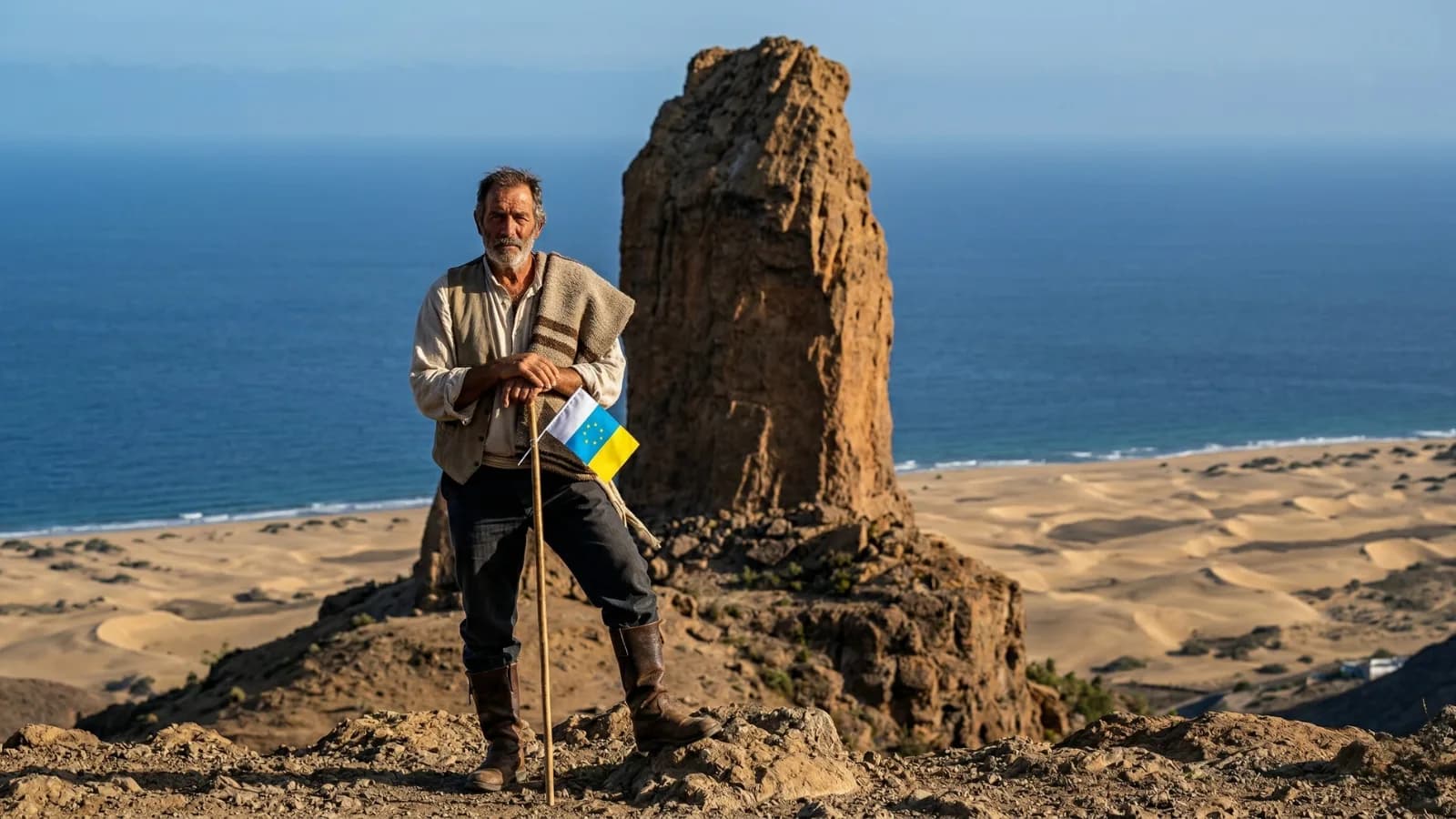
Gran Canaria, an island of a thousand faces, invites you to an unforgettable adventure under its generous sun! Beyond its golden beaches and breathtaking volcanic landscapes, the island is full of treasures to discover. Stroll through the historic streets of Vegueta, the oldest district of Las Palmas, where colonial architecture tells centuries of history. Marvel at the majesty of Roque Nublo, an emblematic monolith offering incredible panoramic views. For a fun and original immersion, why not explore these wonders differently? Our outdoor escape games, true giant treasure hunts, transform you into urban explorers or trail adventurers, solving puzzles while discovering the island's secrets. It's a life-sized scavenger hunt, an unusual activity that promises laughter and discoveries. Ready to take on the challenge and experience Gran Canaria like never before? Discover our games below!
Vegueta & Columbus
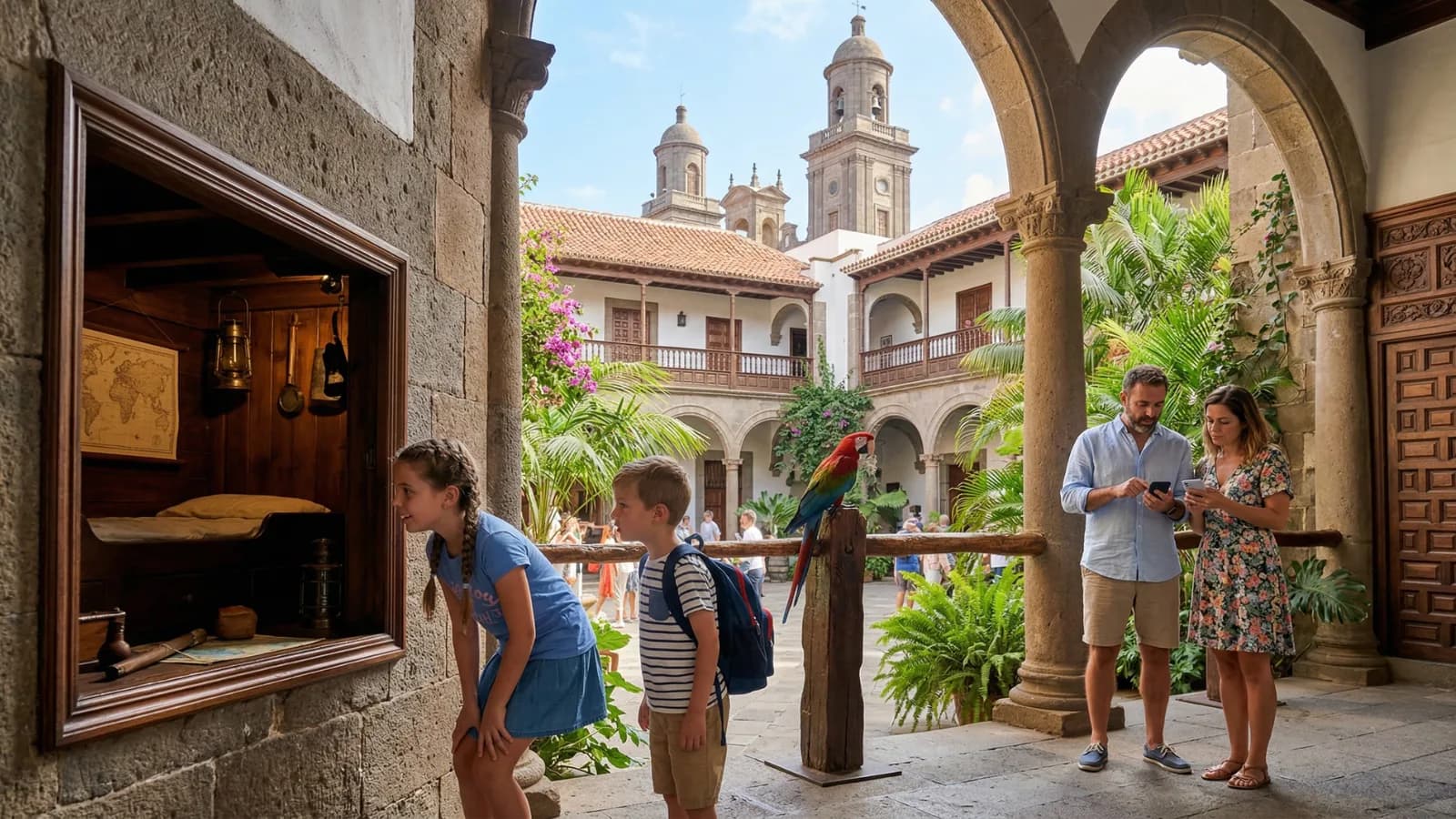
In the footsteps of Christopher Columbus through the old quarter
The Guanche Traces
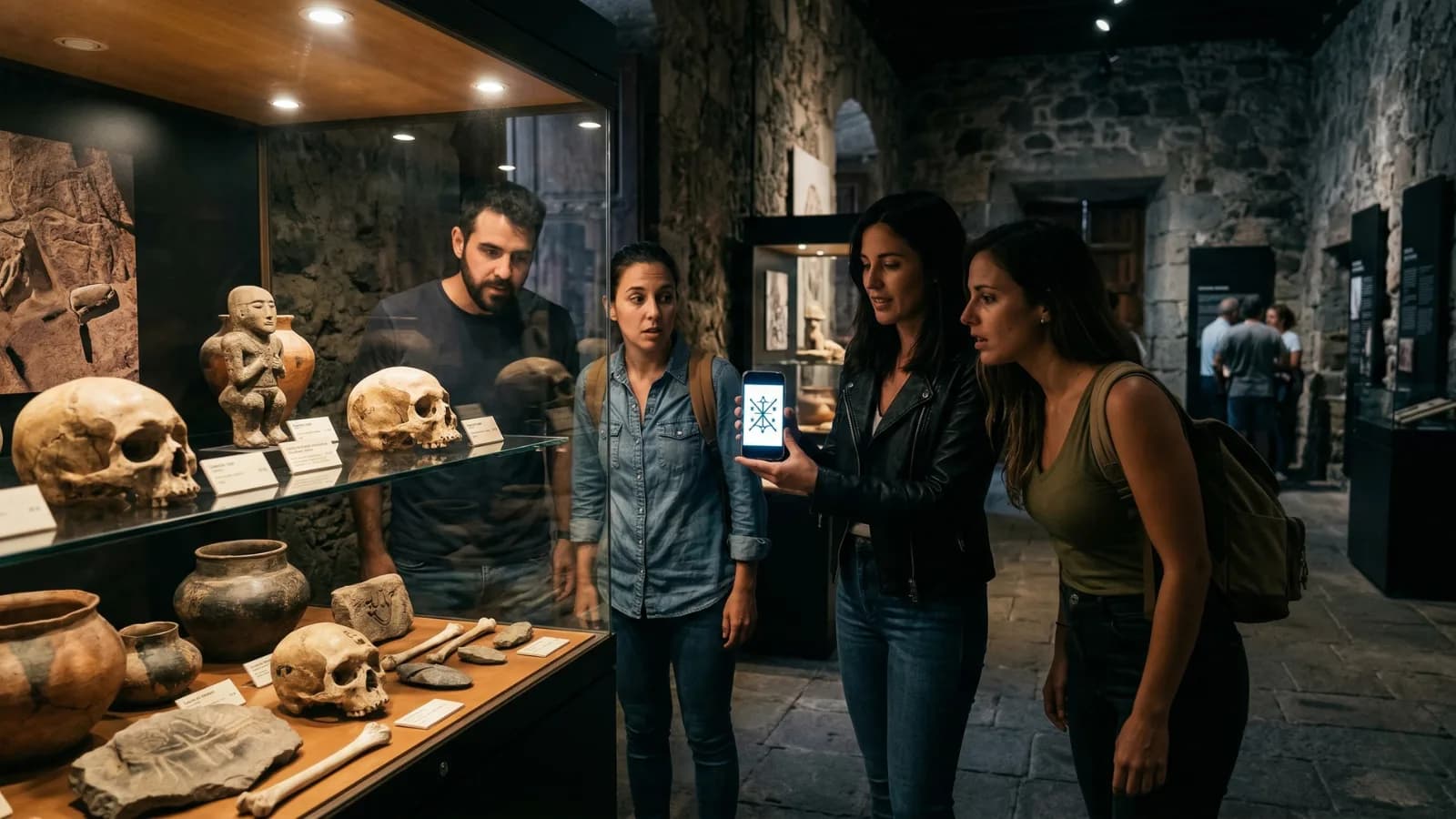
Aboriginal heritage carved in stone
The Pirates of Gran Canaria
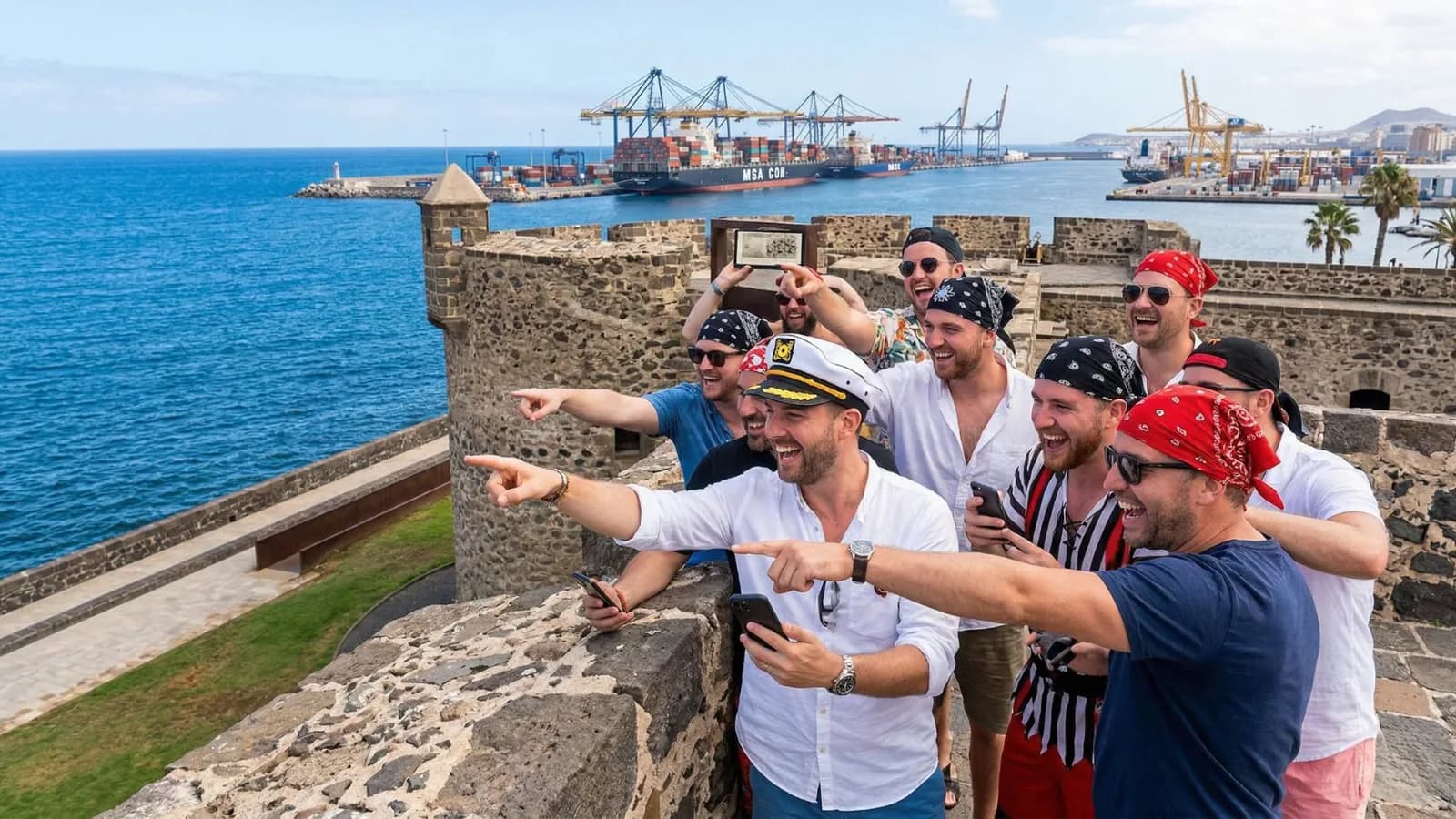
Van der Does's attack and the port fortifications
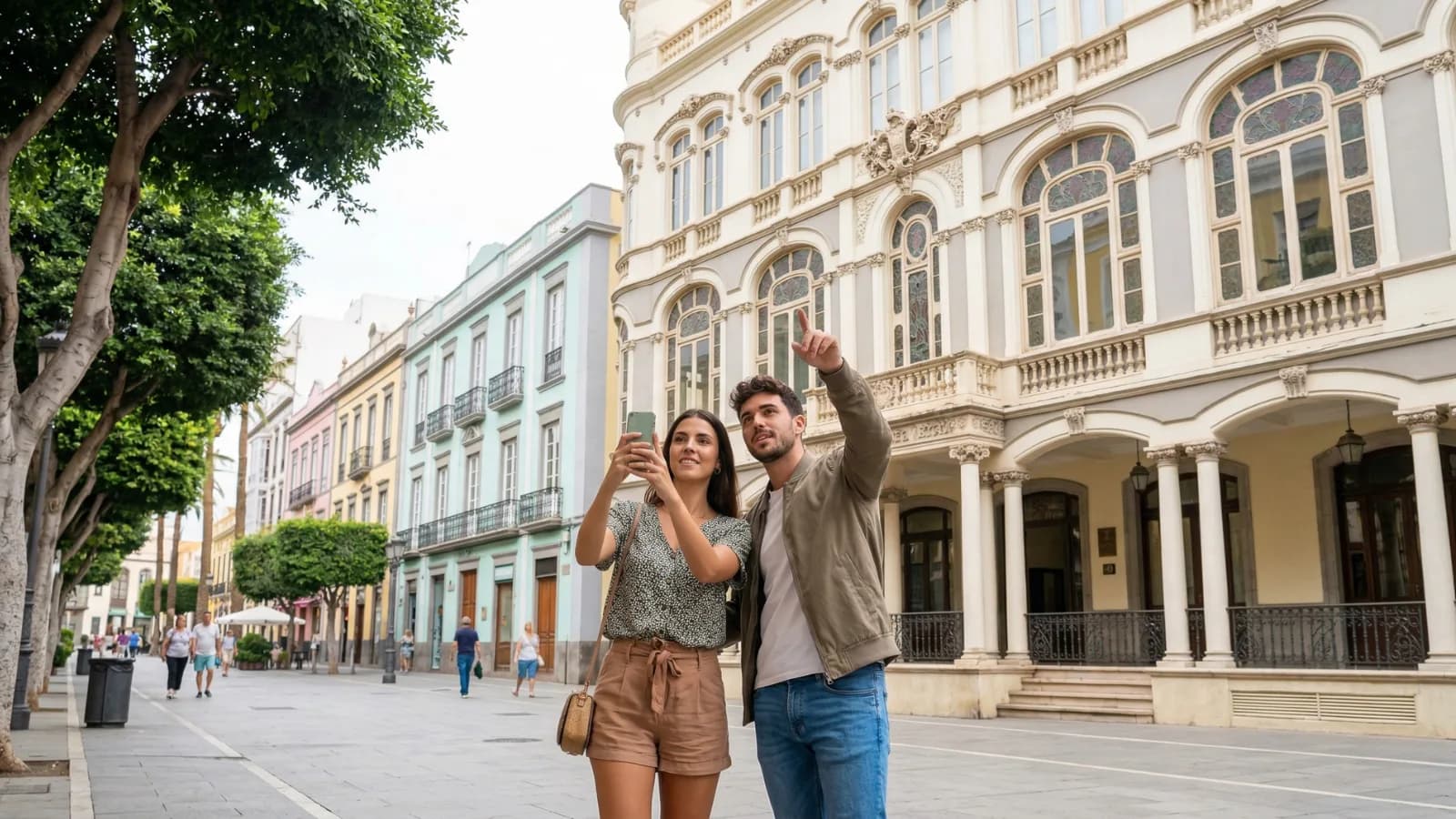
Modernist Las Palmas
Tropical Art Nouveau in the Triana quarter
Unusual things to do in Gran Canaria
Looking for something off the beaten path in Gran Canaria? Our outdoor escape games are the ultimate unusual activity to spice up your stay. Far from classic tours, these courses invite you to a fun and interactive exploration of the island. Imagine solving puzzles outdoors, deciphering hidden codes in emblematic locations, or following the traces of an ancient mystery. Whether through historic streets or in the heart of natural landscapes, each game is a unique adventure that combines cultural discovery with intellectual challenge. Forget crowded museums and beaches for a memorable and totally original experience!
Things to do in Gran Canaria with kids
Gran Canaria is a fantastic destination for families, and our outdoor escape games add an exciting dimension to your holiday! Designed to be accessible to everyone, young and old, our games above transform the discovery of the island into a real treasure hunt. It's the perfect opportunity to collaborate as a team, stimulate children's curiosity, and create unforgettable memories away from screens. The puzzles are designed to engage everyone, from the youngest to teenagers, while exploring beautiful locations. A fun and active way to share a special family moment under the Canarian sun.
Gran Canaria for couples
For a romantic and original getaway in Gran Canaria, our outdoor escape games are a perfect idea for couples. Forget the classic candlelight dinner and embark on an adventure for two, where complicity and teamwork will be your best allies. Explore the hidden corners of the island together, solve puzzles hand in hand, and share memorable laughs. It's a unique way to strengthen your bond while discovering the beauty of Gran Canaria from a new perspective, away from the crowds. An intimate and exciting experience that will leave an indelible mark on your trip as a couple.
What to do in Gran Canaria when it rains
Gran Canaria is known for its sunshine, but if rain appears, what to do? Our outdoor escape games, as their name suggests, are mostly played outdoors. That said, some of our games above can be played with an umbrella if the rain is light, allowing you to continue the adventure. For heavier downpours, we recommend checking our other destinations or rescheduling your game. The island also offers museums, shopping centers, or aquariums for bad weather days. Don't hesitate to check the weather before you start!
Where is Gran Canaria, and where do the routes start?
Starting points of our routes and the places they pass through.
Route starting points
Places in Gran Canaria
- Plaza de Santa Ana · The heart of Vegueta
- Casa de Colón · Calle Colón 1
- Mercado de Vegueta · Market square
- Ermita de San Antonio Abad · Where Columbus prayed
- Centro Atlántico de Arte Moderno (CAAM)
- Museo Canario · Vegueta
- Plaza del Espíritu Santo · Vegueta
- Cuevas del Guiniguada · Barranco
- Calle Dr. Verneau · Vegueta
- Catedral de Santa Ana · South portal
- Gabinete Literario · Plaza de Cairasco
- Casa Quegles · Calle Mayor de Triana
- Teatro Pérez Galdós · Plaza de Stagno
- Parque de San Telmo · Modernist kiosk
- Hotel Madrid · Calle Mayor de Triana
- Castillo de la Luz · Las Palmas harbour
- Calle Mayor de Triana · The commercial artery
- Catedral de Santa Ana · Vegueta
The history of Gran Canaria
From Conquest to Colonial Outpost
Las Palmas de Gran Canaria was founded on June 24, 1478, by Juan Rejón, leader of the Castilian army. The initial settlement, named "Real de Las Palmas," was established at the mouth of the Guiniguada ravine, now the Vegueta district. This marked the start of a five-year conflict with the indigenous Guanche people, who lacked the resources to defend against Castilian forces.
After the conquest, Las Palmas became a key outpost of the Spanish Empire. Its location on Atlantic trade routes made it a supply port for ships traveling to Spanish America. Christopher Columbus anchored in the Port of Las Palmas in 1492 during his first voyage to the Americas, spending time on the island. The city's narrow stone streets and colonial architecture, visible in Vegueta, reflect this period of expansion and its role as a Spanish colony.
Architectural Development and Cultural Institutions
The Plaza de Santa Ana, established in the early 16th century, became the city's main civic and religious center. The construction of the Catedral de Santa Ana, the first church built in the Canary Islands, began around 1500 under the Catholic Monarchs. Its twin towers were not completed until the 20th century. This extended construction period resulted in a mix of Gothic, Renaissance, and Neoclassical architectural styles.
Over the centuries, institutions such as the Gabinete Literario, founded in 1844, contributed to the city's literary, cultural, and scientific development. Originally planned as the island's first theater in 1845, the Gabinete Literario's current modernist and neoclassical building on Plaza de Cairasco shows the city's evolving artistic heritage.
What to see in Gran Canaria
- Plaza de Santa Ana — This square, dating from the early 16th century, is surrounded by buildings that reflect its past as a religious and administrative center. You will find the Catedral de Santa Ana, the historic Casas Consistoriales (Town Hall), the Palacio Episcopal (Bishop's Palace), and the Casa Regental. Eight cast-iron dog sculptures have been in the square since the late 19th century.
- Catedral de Santa Ana — The first church built in the Canary Islands. Construction started around 1500 and continued for nearly four centuries, resulting in a blend of Gothic, Renaissance, and Neoclassical styles. Inside, there are Baroque sculptures by Gran Canarian artist Luján Pérez.
- Casa de Colón — This museum is believed to be where Christopher Columbus stayed when he anchored in Las Palmas in 1492. It provides information on his voyages and the Canary Islands' connection with the Americas.
- Mercado de Vegueta — A market where you can find fresh produce and Canarian specialties. It is located in the Vegueta district.
- Ermita de San Antonio Abad — This small hermitage is where Christopher Columbus is said to have prayed before continuing his journey to the Americas.
- Centro Atlántico de Arte Moderno (CAAM) — This modern art center in Vegueta displays contemporary art, focusing on artists from the Canary Islands, Africa, and Latin America. It is in a building that combines traditional Canarian architecture with modern design.
- Museo Canario — Founded in 1879, this archaeological museum is dedicated to the pre-colonial history of the Canary Islands and the indigenous Guanche people. It holds a collection of Guanche artifacts, including ceramics, tools, idols, and mummies.
- Gabinete Literario — A cultural institution established in 1844, on Plaza de Cairasco. Its modernist and neoclassical architecture is notable, and it has contributed to the literary and cultural development of the Canary Islands.
- Calle Mayor de Triana — This pedestrian street is a commercial area with modernist and colonial buildings, shops, cafes, and restaurants.
When to visit Gran Canaria
Las Palmas de Gran Canaria has a subtropical climate with mild temperatures year-round. For outdoor activities, the period from early May to early September is suitable, with temperatures between 18°C and 27°C. Late June is the warmest.
For fewer crowds and cooler, but still warm, conditions, consider October and early November, or March and April. During these periods, temperatures range from 22-25°C, and the sea is suitable for swimming.
December and January are the rainiest months, with occasional brief showers. Winter months (December to February) are popular, especially around Christmas, due to mild weather with daytime highs around 20-22°C. Avoid the peak summer months if you prefer to avoid the largest crowds.
Getting around Gran Canaria
Las Palmas de Gran Canaria is served by Gran Canaria Airport (LPA), located about 25 kilometers (15.5 miles) from the city center. You can reach the city by bus, with fares from €2.95 to €6.80. Taxis cost around €25-€40 for the journey.
Within the city, walking is suitable for exploring central areas and seafront promenades. The public bus system, "guaguas" (yellow buses), covers the municipal area; a single trip costs €1.40. Contactless travel passes are available, including a tourist card for unlimited travel over 1 or 3 days. For longer distances across the island, blue Global buses operate.
Las Palmas has nearly 50 kilometers of bicycle lanes and a public bike and scooter rental service called Sítycleta and Sítyneta. Parking in historic areas like Vegueta can be difficult; consider public transport or parking garages outside pedestrian zones.
Things you probably do not know about Gran Canaria
Verified details most visitors walk straight past.
- Plaza de Santa Ana
- What's with the dogs in Plaza de Santa Ana? Eight cast-iron dog sculptures stand in Plaza de Santa Ana. They were placed there in 1895, and their origin or creator remains unknown, yet they have become a symbol of the city and the islands, possibly linked to the Latin word 'canis' (dog) from which the Canary Islands are believed to derive their name.
- Catedral de Santa Ana
- Why did it take so long to build the Cathedral? The construction of the Catedral de Santa Ana began around 1500 but wasn't fully completed until almost four centuries later, in the 19th and 20th centuries. This extended period meant multiple architects and artists contributed, resulting in its unique blend of Gothic, Renaissance, and Neoclassical styles.
- Casa de Colón
- Did Christopher Columbus really stay in this house? While Christopher Columbus anchored in Las Palmas in 1492 during his first voyage to the Americas and spent some time on the island, the Casa de Colón as a museum is believed to be the specific house where he resided.
- Museo Canario
- What unexpected artifacts can you find in the Museo Canario? Beyond typical archaeological finds, the Museo Canario houses an impressive collection of mummies, skeletons, and skulls of the indigenous Guanche people, offering a unique insight into their funerary rites and physical anthropology.
- Gabinete Literario
- What was the original purpose of the Gabinete Literario building? The ornate building of the Gabinete Literario, now a cultural institution, was originally conceived as the Teatro Cairasco, the first theater built in the Canary Islands in 1845.
Questions about visiting Gran Canaria
How long should I stay in Las Palmas de Gran Canaria?
To experience the city's historical sites, culture, and urban beaches, a stay of 3 to 5 days is generally suitable. This allows for exploration of Vegueta and Triana, museum visits, and time to relax by the sea.
What are the best neighborhoods to explore in Las Palmas de Gran Canaria?
Vegueta is the historic center, suitable for culture and colonial architecture. Triana offers history and commerce with pedestrian shopping streets. For a modern beach experience, the Las Canteras and Santa Catalina areas are popular.
What is the typical budget for a day in Las Palmas de Gran Canaria?
A moderate daily budget for Las Palmas de Gran Canaria, excluding accommodation, might range from €50-€80. This would cover public transport, museum entries, a mix of local eateries and a dinner, and some leisure activities.
Is Las Palmas de Gran Canaria suitable for families with children?
Yes, Las Palmas is family-friendly. Las Canteras beach offers calm waters protected by a natural reef, suitable for children. The city has parks, and museums like the Museo Canario offer insights into the island's history.
What are the public transport options in Las Palmas de Gran Canaria?
The city has a yellow bus system called 'guaguas' with a single fare of €1.40. Multi-day tourist passes are available. Taxis are available, and there is a public bike and scooter rental service.
Are there any specific local customs or closing times I should be aware of?
While the traditional 'siesta' is less common in the city center, many smaller shops and some businesses may close for a few hours in the early afternoon (typically between 2 PM and 5 PM). Restaurants generally open for dinner later than in many other European cities, often after 8 PM.
Frequently asked questions
How much does an outdoor escape game cost in Gran Canaria?
Our outdoor escape games in Gran Canaria are designed to be accessible and fun for everyone. The price is generally €12 per team, not per person! This means that if you come with several people (friends, family, couple), the cost per participant becomes very advantageous. This unique price per team gives you access to a complete adventure, including all puzzles and access to the application. It's an excellent option for an economical and memorable group activity.
Is it suitable for children / families?
Absolutely! Our escape games in Gran Canaria are perfectly suited for families and children. The games listed above are designed to stimulate everyone's logic and creativity, with puzzles that can be solved by players of all ages. It's a fantastic activity to strengthen family bonds, encourage teamwork, and explore the island in a fun way. We recommend the presence of at least one adult per team to guide the younger ones and assist them if needed.
How long does an escape game last in Gran Canaria?
The duration of our outdoor escape games in Gran Canaria generally varies between 1 hour 30 minutes and 2 hours 30 minutes. This depends on the chosen game, your pace, and your ability to solve the puzzles! You are completely free to take your time to enjoy the landscapes and take breaks. There is no strict timer, which allows you to experience the adventure at your own pace and fully immerse yourself in the story and discovery of the island.
Do I need to book in advance?
For our outdoor escape games in Gran Canaria, booking is not mandatory but it is highly recommended, especially if you have a specific date or time in mind. Booking in advance ensures the availability of your chosen game and allows you to plan your adventure with peace of mind. It's very simple and quick to do via our website. Once the booking is made, you will receive all the necessary instructions to start your game at the desired time.
What to visit in Gran Canaria beyond the escape games?
Gran Canaria is full of wonders beyond our exciting escape games! Don't miss the historic Vegueta district in Las Palmas, with its cathedral and museums. Explore the Maspalomas dunes, a unique desert landscape, or relax on Las Canteras beach. For nature lovers, Roque Nublo offers spectacular views, and the charming village of Puerto de Mogán is ideal for a stroll. The island offers incredible diversity for all tastes.
What is the best season to visit Gran Canaria?
Gran Canaria enjoys an exceptional climate all year round, making it an ideal destination in any season! Temperatures are mild in winter (around 20-22°C) and pleasantly warm in summer (around 26-28°C), with very little rain. Whether you prefer the tranquility of the low season (spring/autumn) or the excitement of summer, the island is always welcoming. For our outdoor escape games, all seasons are suitable, with sunshine almost guaranteed!