Hall in TirolOutdoor Escape Game & Treasure Hunt
Medieval salt city in the heart of the Tyrolean Alps
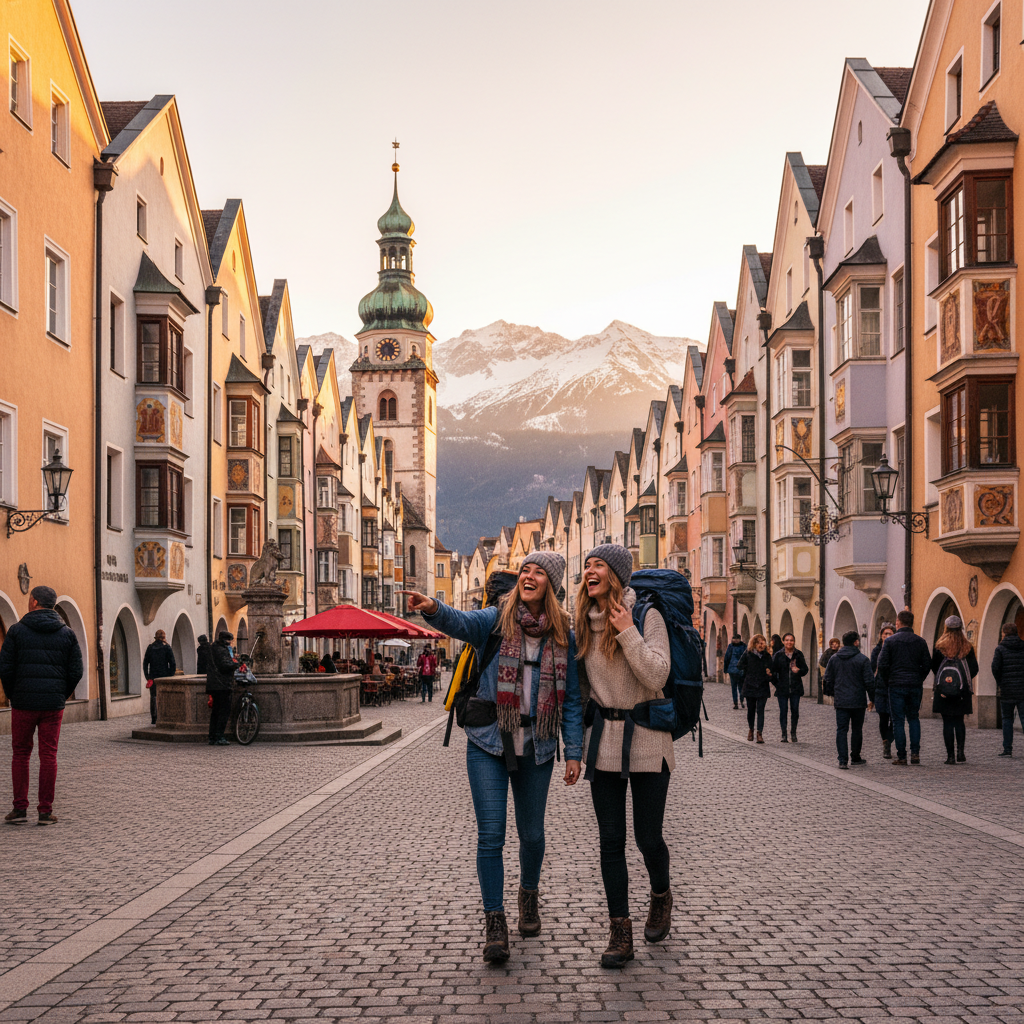
What to do in Hall in Tirol? Immerse yourself in Austrian history by exploring this Tyrolean medieval city, where every cobblestone alley whispers tales of yesteryear. Far from the crowds, Hall in Tirol offers an authentic experience, perfect for those seeking an unusual activity. Start by strolling through the magnificent Altstadt, one of Austria's best-preserved medieval town centers, where colorful facades and historic signs transport you back in time. Don't miss the majestic Münzturm, the Mint Tower, a symbol of the city's past wealth thanks to silver and salt. For a fun and interactive immersion, OddballTrip offers a unique outdoor escape game, a real-life treasure hunt that will make you discover the secrets of Hall in Tirol in a totally original way. It's a captivating scavenger hunt that transforms the city into your personal playground, ideal for an outing with friends, family, or as a couple. Let yourself be charmed by the serene atmosphere of the city and its alpine panoramas, while solving puzzles that will lead you from Oberer Stadtplatz to the most picturesque corners.
Unusual things to do in Hall in Tirol
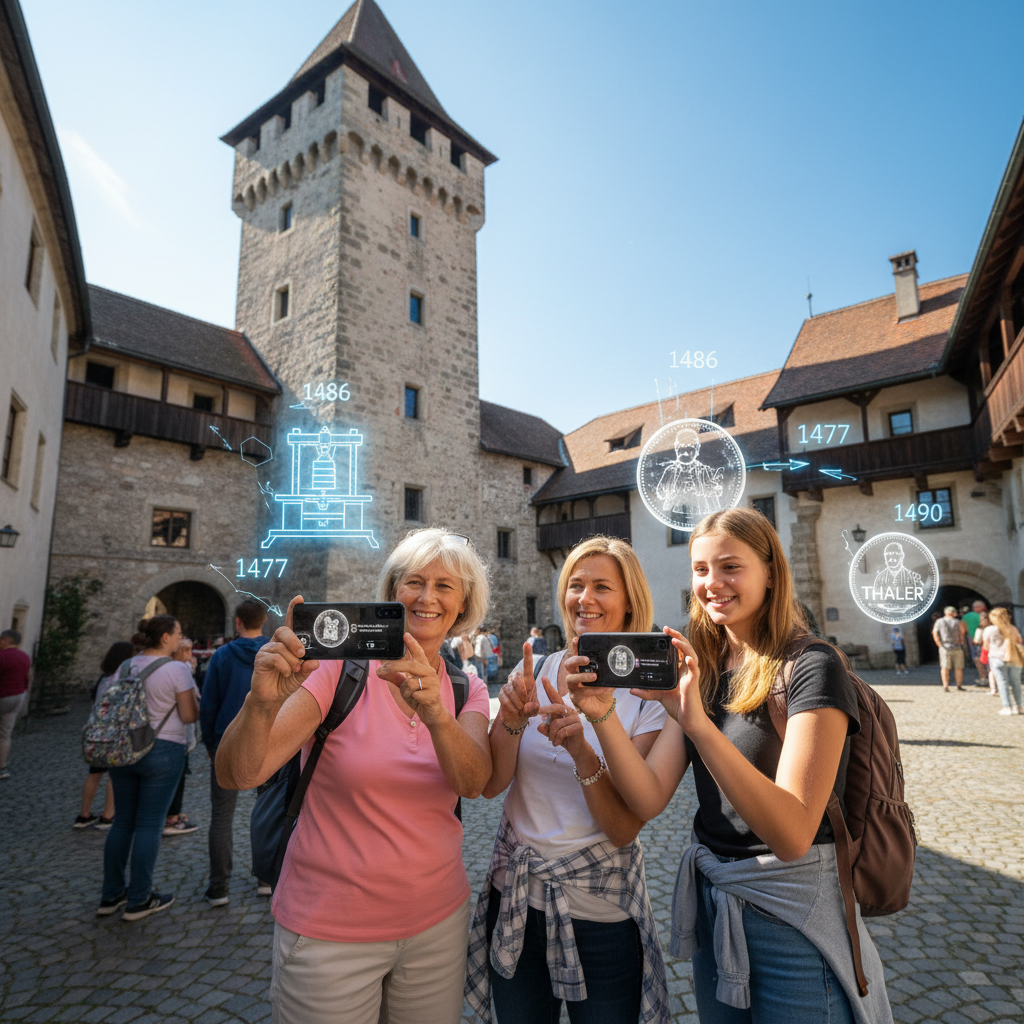
For an unusual activity in Hall in Tirol, forget the beaten path and let yourself be surprised! The medieval city, known for its history linked to salt and coinage, is the ideal setting for an original outing. Imagine transforming the old town into a huge playground where every monument becomes a clue. OddballTrip's outdoor escape game invites you to an interactive treasure hunt, a unique way to discover Hall in Tirol. It's a fun immersion in heritage, far from traditional guided tours, promising unforgettable moments and surprising discoveries around every corner, from the Münzturm to hidden alleys.
Things to do in Hall in Tirol with kids
What to do with family in Hall in Tirol? The city is an ideal playground for all ages. OddballTrip's outdoor escape game is a fantastic activity for families with children and teens aged 8-10 and up. This scavenger hunt transforms city exploration into a thrilling adventure, where everyone, from the youngest to the parents, can contribute to solving the puzzles. It's a fun and interactive way to explore the Altstadt, from the Münzturm to Oberer Stadtplatz, while strengthening team spirit. The treasure hunt aspect captures children's attention, making the historical visit lively and memorable for the whole family.
Hall in Tirol for couples
Hall in Tirol as a couple guarantees a timeless romantic getaway. Stroll hand in hand through the cobblestone alleys of the Altstadt, admire the colorful facades and discreet inner courtyards. Let yourself be charmed by the intimate atmosphere of this medieval city, far from the hustle and bustle. Enjoy breathtaking views of the Tyrolean Alps that frame the city, offering a spectacular setting for your shared memories. To spice up your walk, OddballTrip's outdoor escape game offers an original and complicit way to discover Hall in Tirol's rich heritage, transforming every street corner into a moment of sharing and discovery.
What to do in Hall in Tirol when it rains
What to do in Hall in Tirol when it rains? Don't panic, the old town has more than one trick up its sleeve! While our outdoor escape game takes place mostly outdoors, the good news is that nearly 80% of the route will take you under arcades, covered passages, or sheltered by wide awnings. This allows you to continue your scavenger hunt and exploration of the Altstadt without being too bothered by the bad weather. You can thus enjoy the charm of Hall in Tirol, even in the rain, while solving the puzzles of your treasure hunt.
Where is Hall in Tirol, and where do the routes start?
Starting points of our routes and the places they pass through.
Route starting points
Places in Hall in Tirol
- Münzerturm (Mint Tower)
- Hasegg Castle Courtyard
- Oberer Stadtplatz (Upper Town Square)
- Rathaus (Town Hall)
- Pfarrkirche St. Nikolaus (Parish Church of St. Nicholas)
- Stiftsplatz (Collegiate Square)
- Rosengasse (Rose Alley) or Schmiedgasse (Blacksmith Alley)
- City Wall
The history of Hall in Tirol
Salt Mining and Early Development
The town of Hall in Tirol developed due to salt. The name "Hall" comes from a Celtic word for salt. A settlement formed around salt mines by 1260, and Hall was first documented as a 'salina' (saltern) near Thaur castle in a 1232 deed. Salt mining began in the Hall Valley, north of the town, in the 13th century. By 1272, an adit was constructed, directing brine through a 10 km pipeline to evaporation ponds in Hall. This salt became the main industry, with Hall exporting it to Switzerland, the Black Forest, and the Rhine valley. The town's coat of arms shows two lions holding a barrel of salt, reflecting this historical wealth.
The Mint and Industrialization
In 1303, Hall received its town charter. Its economic importance increased in the 15th century with silver and copper mining in nearby Schwaz. In 1477, Archduke Sigismund moved the sovereign mint from Merano in South Tyrol to Hall, due to the Schwaz silver mines and the town's fortifications. This made Hall a key city in the Habsburg Empire. In 1486, the first silver thaler, a dollar-sized coin, was struck here. The thaler served as a model for major world currencies, including the US dollar. A technological advance occurred in 1571 with the introduction of the water-powered roller embossing machine at Hasegg Castle. This allowed for the mass production of coins, making Hall the first mint globally to transition from craft-based production to an industrial process.
What to see in Hall in Tirol
- Münzerturm (Mint Tower) — This tower, part of Hasegg Castle, was originally a watchtower and later housed the mint. Visitors can climb its 186 steps for views of Hall in Tirol and the Inn Valley. The Mint Museum inside displays coinage history, including a replica of Tyrol's first roller-type coin press from 1571.
- Hasegg Castle — First mentioned in the 13th century, this castle protected the salt works, Inn River shipping, and the old Roman road. It was expanded into a princely residence in the 15th century and housed the mint from 1477.
- Oberer Stadtplatz (Upper Town Square) — This central square is bordered by historic buildings, including the Town Hall and the Parish Church of St. Nicholas.
- Rathaus (Town Hall) — Dating from 1447, this Gothic building is still used for civil ceremonies.
- Pfarrkirche St. Nikolaus (Parish Church of St. Nicholas) — Consecrated in 1281, this church was expanded into a late Gothic hall church around 1430. Its axis is bent due to 15th-century construction constraints. The interior was renovated in Baroque style in the 18th century, with frescoes by Josef Adam Mölk from 1752.
- Stiftsplatz (Collegiate Square) — East of the Upper Town Square, this square is bordered by the Sacred Heart Convent and the All Saints' Church, which was the first Baroque church in North Tyrol.
- Hall in Tirol Mining Museum — Located in the old town, this museum is a replica of the salt mines in the Hall Valley, showing the history of salt extraction, which ended in 1967.
When to visit Hall in Tirol
The period from late June to late August is suitable for outdoor activities, with warm weather and average daily highs around 23°C in July. Skies are generally clear, though July has the most rain. For fewer crowds, the cooler months from November to February offer a snowy setting, particularly during the Hall Advent market, which runs from late November until December 24th. Avoid January, the coldest month, with average lows of -5°C. Mountain weather can change quickly, so prepare for variations, especially during spring and autumn.
Getting around Hall in Tirol
Hall in Tirol is in the Inn Valley, about 5-10 km east of Innsbruck. It is accessible by train, with regular connections from Innsbruck. The town center is pedestrian-friendly and best explored on foot. Parking is available on the edge of the old town for drivers. Hall is an active town, so local shops and cafés observe traditional opening hours, with some closures between noon and 2:00 PM for lunch. Weekly farmers' markets are held on the main town square. The town is compact, making walking the primary mode of transport.
Things you probably do not know about Hall in Tirol
Verified details most visitors walk straight past.
- Pfarrkirche St. Nikolaus
- Look closely at the layout of the Pfarrkirche St. Nikolaus. Do you notice anything unusual about its main axis? The church's axis is bent. This wasn't a mistake; when the church was expanded between 1420 and 1440, the architect Hans Sewer had to connect the new nave with the existing choir, which couldn't be extended south, resulting in the unusual alignment.
- Münzerturm (Mint Tower)
- The Münzerturm is famous for minting coins, but it also played a crucial role in the town's defense. How so? The Mint Tower was strategically important to the town's defense in the Middle Ages due to its position close to the Inn River, allowing it to monitor river traffic and the old salt road.
- Hasegg Castle
- The name 'Hasegg' might sound a bit odd. What's the story behind it? The name 'Hasegg' evolved from 'Pfannhaus-Eck.' 'Pfannhaus' referred to the brewhouse of the saltworks, and the castle stood on its 'Egg,' meaning corner.
- Old Town houses
- Many old houses in Hall in Tirol have unusual iron brackets on their facades. What are they for? These are earthquake brackets. Large parts of Hall were destroyed by a severe earthquake in 1670, including the parish church tower, and these brackets were added to reinforce the buildings.
- Hall in Tirol's name
- The town's name, Hall, isn't German or Austrian. What does it actually mean? The name 'Hall' is derived from a Celtic word for salt, directly referencing the town's historical importance as a center for salt mining and trade.
- Hall Mint Museum
- The Hall Mint Museum displays a replica of an old coin press. What was so revolutionary about this machine? The replica is of Tyrol's first roller-type coin press from 1571. This water-powered machine enabled the mass production of silver coins, making Hall the first mint in the world to transition from a craft-based operation to an industrial one.
Questions about visiting Hall in Tirol
How long should I stay in Hall in Tirol?
Hall in Tirol can be explored as a day trip from Innsbruck, with guided walking tours typically lasting 1 to 1.5 hours. To experience its history and character, consider staying longer to visit museums and explore at a slower pace.
How do I get around Hall in Tirol?
The historic old town of Hall in Tirol is best explored on foot due to its narrow, stone streets and pedestrian zones. It is a compact town, making walking the most convenient way to see the sights.
Is Hall in Tirol suitable for families with children?
Yes, Hall in Tirol offers engaging experiences for families. The Hall Mint Museum allows visitors to mint their own copper coin, and the Mining Museum provides an interactive journey into salt extraction.
What is the typical budget for a visit to Hall in Tirol?
Hall in Tirol can be a low-cost destination, especially if you are staying in nearby Innsbruck. Many attractions are affordable or free to explore, and there are local eateries for budget-friendly meals.
Are there any specific events or markets in Hall in Tirol?
Hall in Tirol hosts weekly farmers' markets on the main town square. The town is also known for its Easter and Advent markets, with the Haller Adventmarkt running from late November until December 24th.
What are the main neighborhoods or areas to explore in Hall in Tirol?
The primary area of interest is the Altstadt, the medieval old town center, which is the largest preserved old town in western Austria. Key areas within it include the Oberer Stadtplatz, Stiftsplatz, and the area around Hasegg Castle.
Frequently asked questions
How much does an outdoor escape game cost in Hall in Tirol?
The price of an OddballTrip outdoor escape game in Hall in Tirol is very affordable and designed to be shared! It will cost you only €12 per team. This unique price per team, not per person, makes the activity particularly advantageous for groups of friends or families. Whether you are 2, 3, 4, or even more (we recommend 2-6 players for a better experience), the price remains the same. It's an excellent option for an original and economical outing, allowing you to discover the city in a fun way without breaking the bank.
Is it suitable for children / families?
Absolutely! Our outdoor escape games are perfectly suited for families and children aged 8-10 and up. The adventure is designed to be fun and stimulating for all ages. The puzzles are varied, combining observation, logic, and a bit of research, allowing every family member to contribute. It's a great way to spend quality time together, stimulate the curiosity of the youngest, and discover Hall in Tirol from a playful angle. Children love the treasure hunt aspect, and parents appreciate the cultural and educational side.
How long does an escape game in Hall in Tirol last?
An OddballTrip outdoor escape game in Hall in Tirol usually lasts between 1h30 and 2h30. The exact duration depends on your pace, your team spirit, and your ability to solve the puzzles more or less quickly. Some groups like to take their time to admire the monuments and the city's atmosphere, while others prefer to focus on quickly solving the challenges. The advantage is that you are completely free to manage your time and take breaks if you wish. It's a flexible activity that adapts to your desires!
Do I need to book in advance?
No, one of the great advantages of our outdoor escape games is that there's no need to book in advance! You can purchase your game online at any time and start the adventure whenever you want. Once purchased, you instantly receive all instructions to start your treasure hunt on your smartphone. It's total flexibility: decide to play today, next week, or even at the last minute. This allows you to organize your visit to Hall in Tirol without constraints and enjoy the activity as soon as the mood strikes you.
What to visit in Hall in Tirol beyond the escape games?
Hall in Tirol is full of treasures to explore! After your escape game, take the time to get lost in the Altstadt, one of Austria's best-preserved medieval town centers. Don't miss the Münzturm, the Mint Tower, and the Mint Museum to discover the fascinating history of thaler coinage. Visit St. Nikolaus parish church with its impressive architecture. The Rathaus (Town Hall) is also an architectural gem. For a gourmet break, numerous cafes and restaurants invite you to savor Tyrolean specialties. And of course, enjoy the surrounding alpine panoramas!
What is the best season to visit Hall in Tirol?
Hall in Tirol is charming in every season, but each offers a different ambiance. Spring and summer (May to September) are ideal for fully enjoying terraces, flowers, and outdoor activities, with pleasant temperatures. Autumn (October-November) offers magnificent landscapes with changing mountain colors and a more peaceful atmosphere. Winter (December to March) transforms the city into a snowy fairy tale, with magical Christmas markets and proximity to ski slopes. For an outdoor escape game, spring, summer, and autumn are generally the most comfortable.
Other destinations in Tyrol
Innsbruck
In the heart of the Alps, between imperial history and majestic peaks.
Kufstein
Tyrol's pearl, between fortress and Alpine peaks.
Otztal
In the heart of the Tyrolean Alps, between peaks and eternal glaciers
Rattenberg
Austria's smallest town, a gem of glass and history
Schwaz
Tyrol's silver heart: historic mines, alpine beauty.
More cities in Austria
Hallein
In the heart of salt mines, a Celtic and medieval treasure
Salzburg
Mozart's city, a baroque gem nestled in the Alps.
Hallstatt
Postcard-perfect alpine village, between lake and mountains
Friesach
In the heart of medieval Carinthia
Admont
In the heart of the Alps, discover an ancient abbey and its library