LindisfarneOutdoor Escape Game & Treasure Hunt
The sacred island of Celtic monks
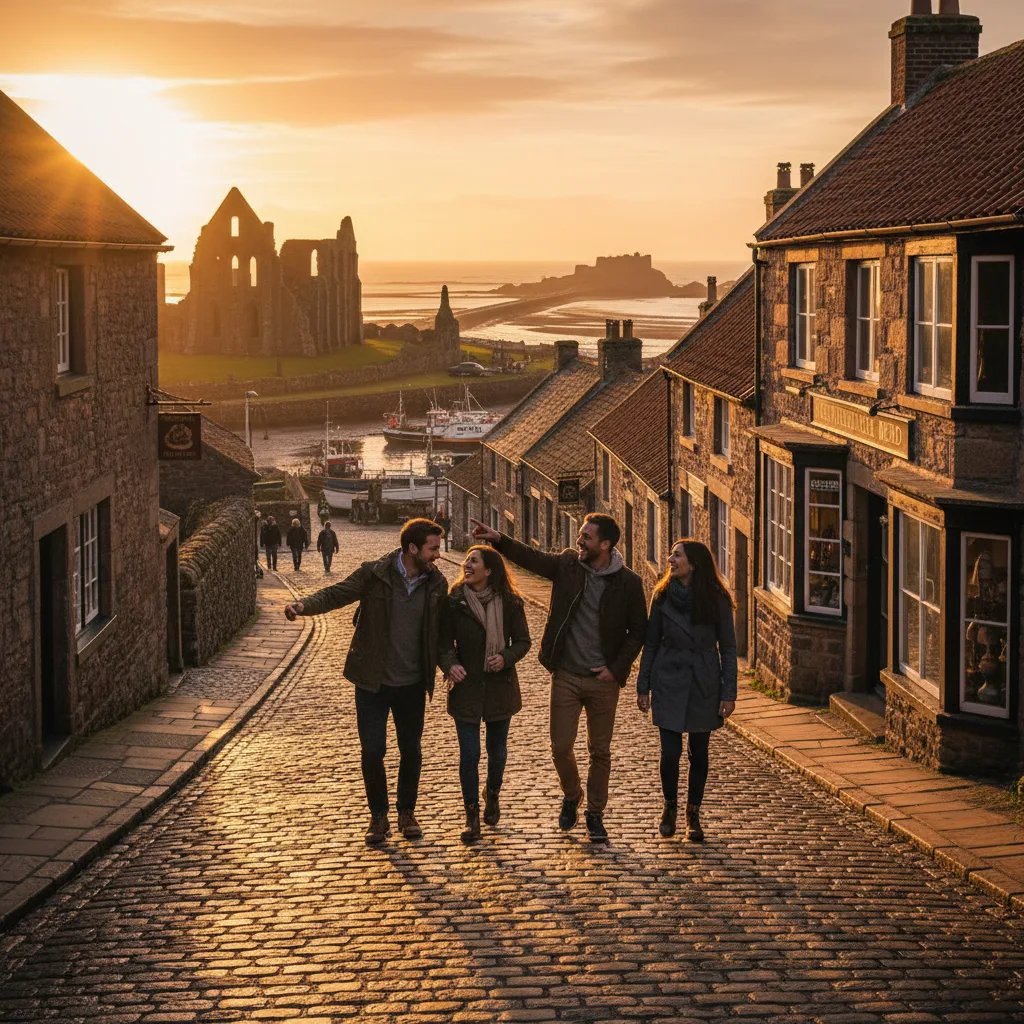
Welcome to Lindisfarne Island, a jewel nestled off the Northumberland coast, where Celtic history and wild nature intertwine. If you're wondering "what to do in Lindisfarne," know that this sacred island of Celtic monks offers much more than just a visit. Beyond the majestic ruins of Lindisfarne Priory and the imposing Lindisfarne Castle perched on its volcanic rock, the island is an ideal playground for a unique adventure. Imagine exploring its picturesque streets and seascapes during an outdoor escape game, a captivating treasure hunt that turns every corner into a clue. It's an original way to discover the island's heritage, from the ancient St Mary's Church to the breathtaking sea views. This real-life treasure hunt is an unusual activity that promises fun and discovery for all, immersing you in local legends while solving puzzles.
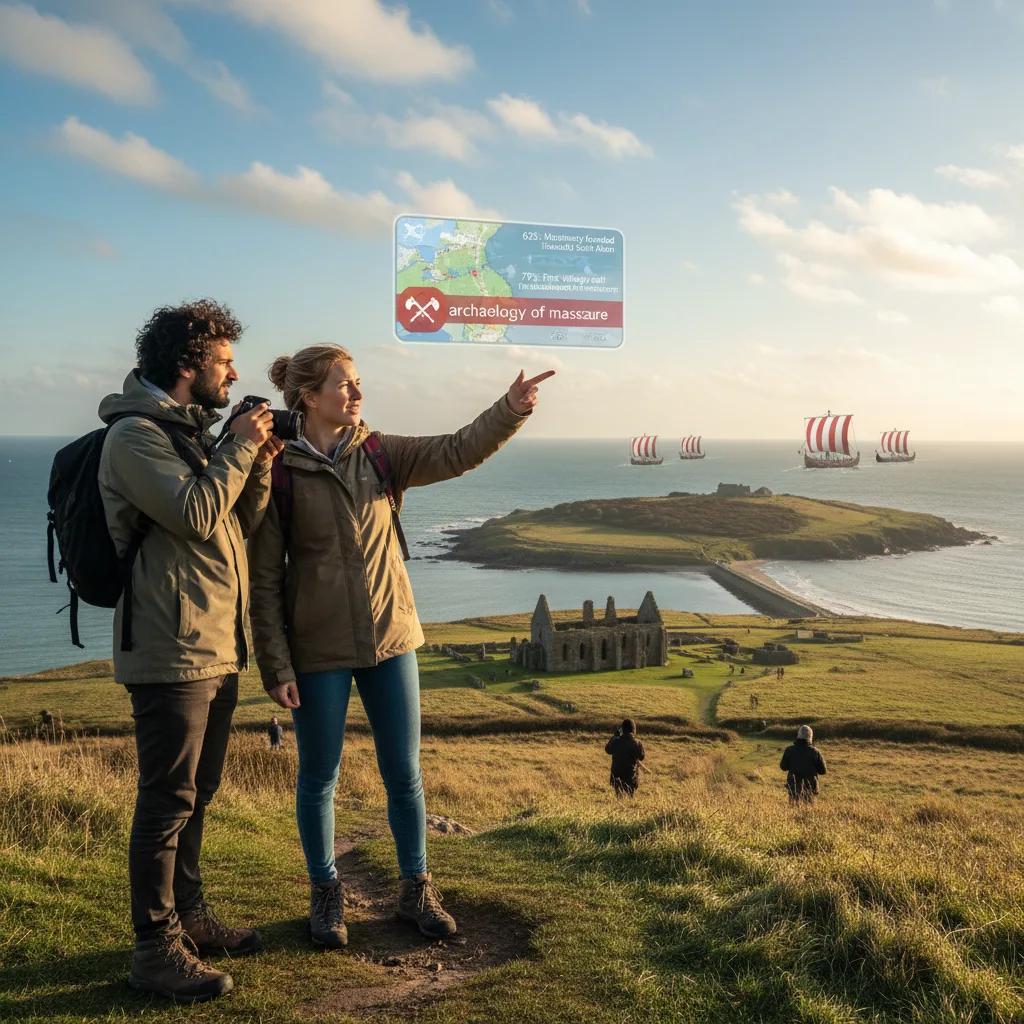
Lindisfarne — Fury of the Northmen
June 8, 793: Vikings raid Lindisfarne, but what treasure did they seize and hide? Uncover the monks' secret code etched across the island to reclaim the lost relic before it's gone forever.
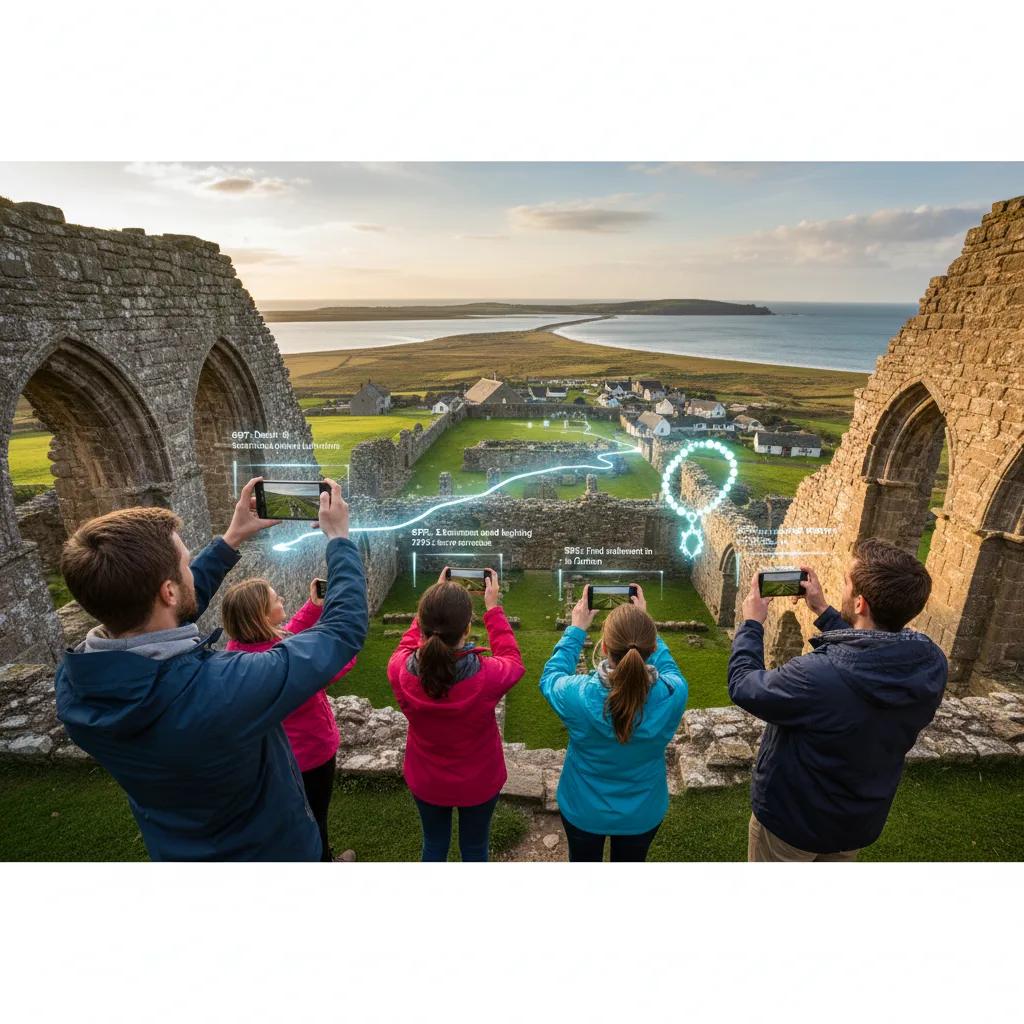
Holy Island — The Fleeing Relics
In 875 AD, Viking raids forced Lindisfarne's monks to flee with St. Cuthbert's sacred relics and the Lindisfarne Gospels. Uncover the hidden route and decipher the clues they left across the island to reveal where the treasures were concealed before their final exodus.
Unusual things to do in Lindisfarne
For an unusual activity in Lindisfarne, let yourself be tempted by a playful exploration off the beaten path. Instead of a classic visit, opt for an outdoor escape game that will reveal the island's secrets in an interactive way. Imagine solving puzzles inspired by monastic history and local legends, all while traversing unique landscapes. It's an original outing that combines the fun of a game with Lindisfarne's cultural richness, offering you a new perspective on its hidden treasures and marine panoramas. A memorable experience for those seeking adventure and wonder.
Things to do in Lindisfarne with kids
Lindisfarne is a fantastic destination for a family outing. If you're looking for "what to do with family in Lindisfarne," our outdoor escape games are perfectly suited for children aged 8 and up, and of course for teens and adults. It's a fun and educational way to discover the island. The challenges of the treasure hunt encourage collaboration, reflection, and observation, transforming a historical visit into a real adventure. Children will love following clues through the village streets and coastal landscapes, while parents will appreciate sharing moments of togetherness and discovery. An activity that promises laughter and memories for the whole family.
Lindisfarne for couples
For a romantic getaway for two, "Lindisfarne as a couple" offers an idyllic and timeless setting. Imagine strolling hand-in-hand along the village's cobbled streets, discovering breathtaking views of the sea and the castle, and sharing special moments amidst a rich heritage. Our treasure hunts are an excellent opportunity to strengthen your bond, solving puzzles together while exploring the island's hidden corners. It's an original and intimate way to discover the legends of Lindisfarne, from its Celtic monks to its wild landscapes, creating precious memories and a unique couple's experience.
What to do in Lindisfarne when it rains
If the weather turns sour and you're wondering "what to do in Lindisfarne when it rains," know that our treasure hunts are designed to be enjoyed regardless of the weather's whims. Indeed, approximately 80% of our outdoor escape games' routes take place under arcades, covered passages, or inside accessible buildings, thus offering you comfortable shelter. You can continue your exploration and solve puzzles protected from the elements, transforming a rainy day into a mysterious and enjoyable adventure. Just bring a good raincoat for the short outdoor transitions!
Where is Lindisfarne, and where do the routes start?
Starting points of our routes and the places they pass through.
Route starting points
Places in Lindisfarne
- Heugh Hill
- Priory ruins
- High altar site
- Chare Ends
- Cloister foundations
- Old monastic cemetery
- Beacon Hill
- The Ouse
- St Mary's Church
- Priory precinct wall
- Village Green
- Causeway to mainland
- Heugh Cross
- Priory garden
- Gertrude Jekyll Garden
- Museum of Island Heritage
The history of Lindisfarne
Early Christianity and Viking Raids
Lindisfarne, also known as Holy Island, has a recorded history from the 6th century AD. It became a center for Celtic Christianity after Irish monk St. Aidan founded a monastery here in AD 635, at the invitation of King Oswald of Northumbria. The island's tidal nature provided isolation, suitable for monastic life. St. Cuthbert, a monk from modern-day Scotland, joined the monastery around AD 670 and became an important saint in northern England, known for spreading Christianity.
On June 8, 793 AD, a Viking attack disrupted Lindisfarne. This raid, considered the beginning of the Viking Age in Europe, involved Norse seafarers plundering the monastery, killing or enslaving monks, and desecrating relics. The event impacted English Christendom. Despite the destruction, a Christian community remained on Lindisfarne, recording the event on the 'Domesday stone'.
Norman Reconstruction and Fortification
After the Norman Conquest, Benedictine monks from Durham re-established religious life on the island. The ruins visible today are largely from the 12th-century priory church, which mirrored the Romanesque architecture of Durham Cathedral, reinforcing the link between Lindisfarne and its mother-church. The church was completed around 1150 before the monastic buildings. In the mid-14th century, during wars with the Scots, the priory was fortified with battlements and arrowloops.
Lindisfarne Castle, on Beblowe Craig, dates from the 16th century. It was built around 1550 as a gun fort to defend the island's harbour against Scottish and Spanish attacks, possibly using stone from the dissolved priory. The castle was garrisoned until 1893 and saw action during the Civil Wars and the Jacobite Rebellion of 1715. In 1901, Edward Hudson, editor of Country Life magazine, leased the castle and commissioned architect Edwin Lutyens to transform it into a holiday home.
What to see in Lindisfarne
- Lindisfarne Priory — Explore the red sandstone ruins of the 12th-century priory church, a smaller version of Durham Cathedral, with Romanesque arches and the 'rainbow arch' from the collapsed central tower. Observe the foundations of the earlier presbytery apse and the later monastic buildings, fortified in the 14th century.
- Lindisfarne Castle — Visit this 16th-century fort, transformed into a holiday home by architect Edwin Lutyens in the early 20th century. From its battlements, views extend to the North Sea and the Northumberland coastline.
- St Mary's Church — This medieval parish church stands at the entrance to the priory and has origins from AD 635. Its simple architecture contrasts with the priory ruins.
- Heugh Hill — Walk up this ridge south of the priory for views of Bamburgh Castle and the Farne Islands on clear days.
- The Ouse — This area includes the tidal channels and mudflats surrounding the island, part of the Lindisfarne National Nature Reserve. It is a location for birdwatching and observing marine life.
- Lime Kilns — Located beneath the eastern embankment near the castle, these Victorian kiln arches are remnants of the island's 19th-century lime-burning industry. They are visible from the adjacent beach.
When to visit Lindisfarne
The period from April to September offers milder temperatures and less rain and wind. During these months, attractions are typically open. Late August to early September can have calmer weather and fewer crowds than peak summer. Spring is suitable for day trips, and birdwatchers will find activity in spring and autumn.
Avoid visiting during high tide, as the causeway linking the island to the mainland becomes submerged for several hours. Always check tide tables before travel. Winter, from December to February, can be cold, humid, and windy, with reduced opening hours for some attractions. This period offers a quieter experience.
Getting around Lindisfarne
Access to Lindisfarne is via a tidal causeway. It is necessary to check the daily safe crossing times published by Northumberland County Council before travel, as the causeway is submerged at high tide. The causeway, opened in 1954, replaced an older route across the sands.
If driving, park at the main visitor car park at Chare Ends, the first car park on the island. Parking in the village is restricted to residents. The car park is pay-and-display. A separate car park for blue-badge holders and coaches is on Green Lane.
Within the village, all locations are within walking distance from the main car park, approximately a 5-minute walk. Public toilets are available in the coach park. A local bus service (Route 477) operates from Berwick Station during summer, with reduced frequency in other seasons.
Things you probably do not know about Lindisfarne
Verified details most visitors walk straight past.
- Lindisfarne Priory
- What architectural detail in the priory connects it directly to a much larger cathedral? The 12th-century priory church was designed as a miniature version of Durham Cathedral, with its Romanesque architecture deliberately echoing its mother-church to reinforce their historical and religious links.
- Lindisfarne Castle
- Before becoming a handsome holiday home, what was Lindisfarne Castle's original, rather un-castle-like purpose? Lindisfarne Castle began its life in the 16th century not as a traditional castle, but as a gun fort, specifically built to defend the island's harbour.
- The Causeway
- What unique, ancient path still guides pilgrims across the sands to Lindisfarne, even with a modern road available? The Pilgrim's Way, marked by vertical timber poles, is an ancient route across the tidal mudflats that still guides walkers to the island, preceding the paved causeway built in the 1950s.
- Old monastic cemetery
- What surprising discovery in the priory's cemetery suggests a continuous Christian presence even after the monks departed? Excavations at the priory have unearthed Anglo-Saxon carved grave markers, some with names in capital letters or runes, indicating that the cemetery was still in use in the 10th century, long after the original monastic community had left.
- High Altar site (Lindisfarne Priory)
- What unusual building sequence was followed when constructing the Norman priory church? Unlike most monasteries where domestic buildings are constructed first, the priory church at Lindisfarne was completed before the monastic living quarters, emphasizing its paramount religious importance.
- Lindisfarne Castle boat sheds
- What unusual material was used to construct some of the sheds near Lindisfarne Castle? The sheds near Lindisfarne Castle were famously constructed from upturned, disused fishing boats, a practice common on the east coast of England in the 19th and early 20th centuries.
Questions about visiting Lindisfarne
How do I get to Lindisfarne?
Access to Lindisfarne is via a tidal causeway from the Northumberland mainland. You can drive across, walk, or take a local bus (Route 477, primarily in summer). It is essential to check the safe crossing times daily, as the causeway is submerged at high tide.
How long should I spend on Lindisfarne?
Most visitors spend a full day on Lindisfarne to explore the main sights like the Priory and Castle, and to enjoy the beaches and village. Staying overnight allows for a more peaceful experience once day-trippers have left, offering a unique sense of the island's tranquility.
Can I visit Lindisfarne with children?
Yes, Lindisfarne is family-friendly. Children can enjoy exploring the castle, spotting seals along the shoreline, flying kites, and skimming stones on the beach. There are also various walking opportunities suitable for smaller legs.
What is the best season to visit Lindisfarne?
The best season to visit is typically from April to September for milder weather and full access to attractions. Summer is busiest, while late August and early September can offer a good balance of weather and fewer crowds. Always check tide times regardless of the season.
Where can I park on Holy Island?
Visitors must park in the main car park at Chare Ends, located on the left as you enter the island. Parking in the village itself is restricted to residents. Payment is by cash, card, or app. A separate car park is available for blue-badge holders and coaches on Green Lane.
What kind of budget should I plan for a visit to Lindisfarne?
Lindisfarne can be visited on a moderate budget. The main costs will be travel to the island, parking (around £8.50 for 5+ hours), and entrance fees for the Priory and Castle. There are various pubs, cafes, and shops for food and souvenirs. Accommodation is limited and should be booked well in advance if staying overnight.
Frequently asked questions
How much does an outdoor escape game in Lindisfarne cost?
The cost of an outdoor escape game in Lindisfarne is very affordable and designed to be shared! The price is €12 per team, regardless of the number of participants (usually 2 to 6 players). This means the cost per person significantly decreases if you come as a group. It's an excellent option for an economical and entertaining activity, allowing you to explore the island and its mysteries without breaking the bank. This single team rate makes the experience accessible to everyone, whether you come as a couple, family, or friends.
Is it suitable for children / families?
Absolutely! Our outdoor escape games in Lindisfarne are designed to be a fantastic activity for the whole family. The puzzles are cleverly crafted to be accessible to children aged 8 and up, while still being stimulating for teenagers and adults. It's a wonderful opportunity to work together, communicate, and have fun while exploring the island. The routes are safe and do not present major physical difficulties, making it an ideal outing for families with young adventurers. Get ready to share laughter and memorable moments!
How long does an escape game in Lindisfarne last?
The duration of an outdoor escape game in Lindisfarne generally varies between 1h30 and 2h30, depending on your pace and the number of breaks you wish to take to admire the landscapes or have a tea. The goal is to enjoy the experience, not to rush! You are entirely free to take your time. Some groups like to take on the challenge and finish quickly, while others prefer to savor every moment, explore the surroundings, and soak in the unique atmosphere of the island. It's your adventure, at your pace!
Do I need to book in advance?
No, the beauty of our outdoor escape games is that they are available at any time, without prior reservation! You can simply purchase the game online whenever you want, even at the last minute once you're on the island. The route is accessible via your smartphone, offering you total flexibility. This is ideal if you have an unpredictable schedule or decide spontaneously to embark on an adventure. All you need is a charged phone and an internet connection to start your game whenever you wish.
What to visit in Lindisfarne beyond the escape games?
Beyond our captivating treasure hunts, Lindisfarne is full of treasures to explore. Don't miss the majestic Lindisfarne Priory, a poignant historical site that bears witness to the island's monastic heritage. Lindisfarne Castle, spectacularly perched on its rock, offers breathtaking views and a fascinating history. Stroll through the charming village of Holy Island, visit St Mary's Church, and explore the sand dunes to observe birdlife. Don't forget to taste the famous Lindisfarne Mead! The island is also a haven for nature lovers, with breathtaking coastal landscapes.
What is the best season to visit Lindisfarne?
Lindisfarne has a unique charm in every season, but spring (April-May) and early autumn (September-October) are often considered the best times to visit. Spring offers mild temperatures, lush green landscapes, and blooming local flora, while autumn is ideal for changing colors and a quieter atmosphere. Summer (June-August) is also very pleasant, with longer days and a lively ambiance, but the island can be busier. In winter, the island is calmer, offering a wild and serene beauty, but weather conditions can be harsher.
Other destinations in Northumberland
More cities in England
Hadrian's Wall
In the footsteps of Roman legions
Durham
Medieval city, between castle and cathedral
Carlisle
Fortress of the Anglo-Scottish borders
Whitby
Birthplace of Dracula and Gothic legends
York
Roman, Viking, and medieval city, between walls and legends.
Haworth
Home of the Brontë sisters and mysterious moors
Manchester
Cradle of innovation and music