GijónOutdoor Escape Game & Treasure Hunt
Roman Gijón and Cimadevilla quarter
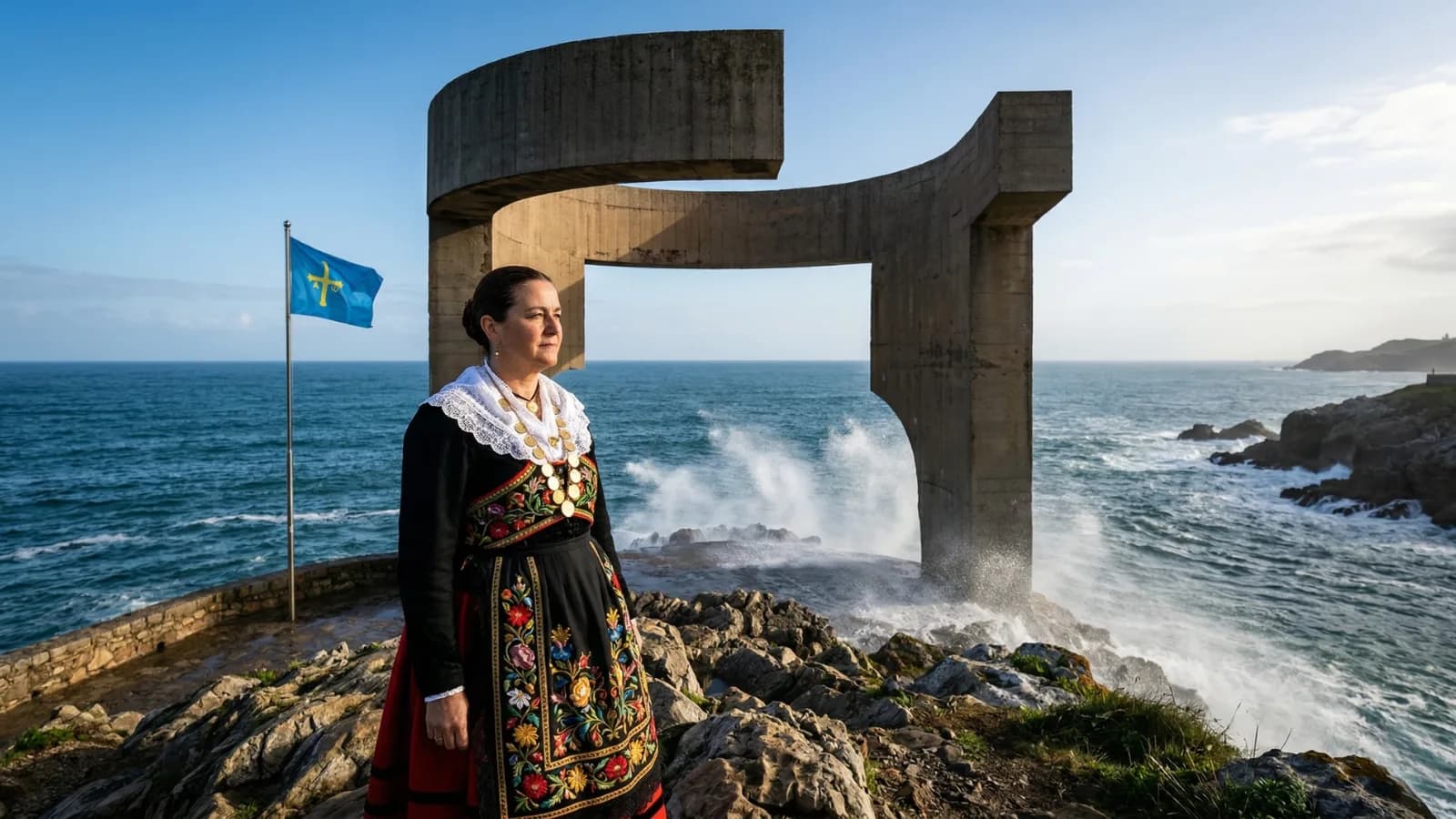
Welcome to Gijón, the pearl of Asturias! If you're looking for a destination that combines history, maritime culture, and a touch of adventure, you've come to the right place. This vibrant city offers a multitude of experiences, from the medieval charm of the Cimadevilla district, with its winding streets and colorful fishermen's houses, to Roman remains such as the Termas Romanas de Campo Valdés. Stroll along the magnificent San Lorenzo beach, breathe in the sea air, and admire the iconic "Elogio del Horizonte" sculpture at Cerro de Santa Catalina. But Gijón is also the ideal playground for a unique activity: our outdoor escape games! Imagine yourself immersed in a real-life treasure hunt or scavenger hunt, transforming the city into your own game board. It's an urban adventure game that will make you discover Gijón from a completely new angle. Get ready to explore its secrets while having fun with our unique routes, designed to give you a memorable experience.
Unusual things to do in Gijón
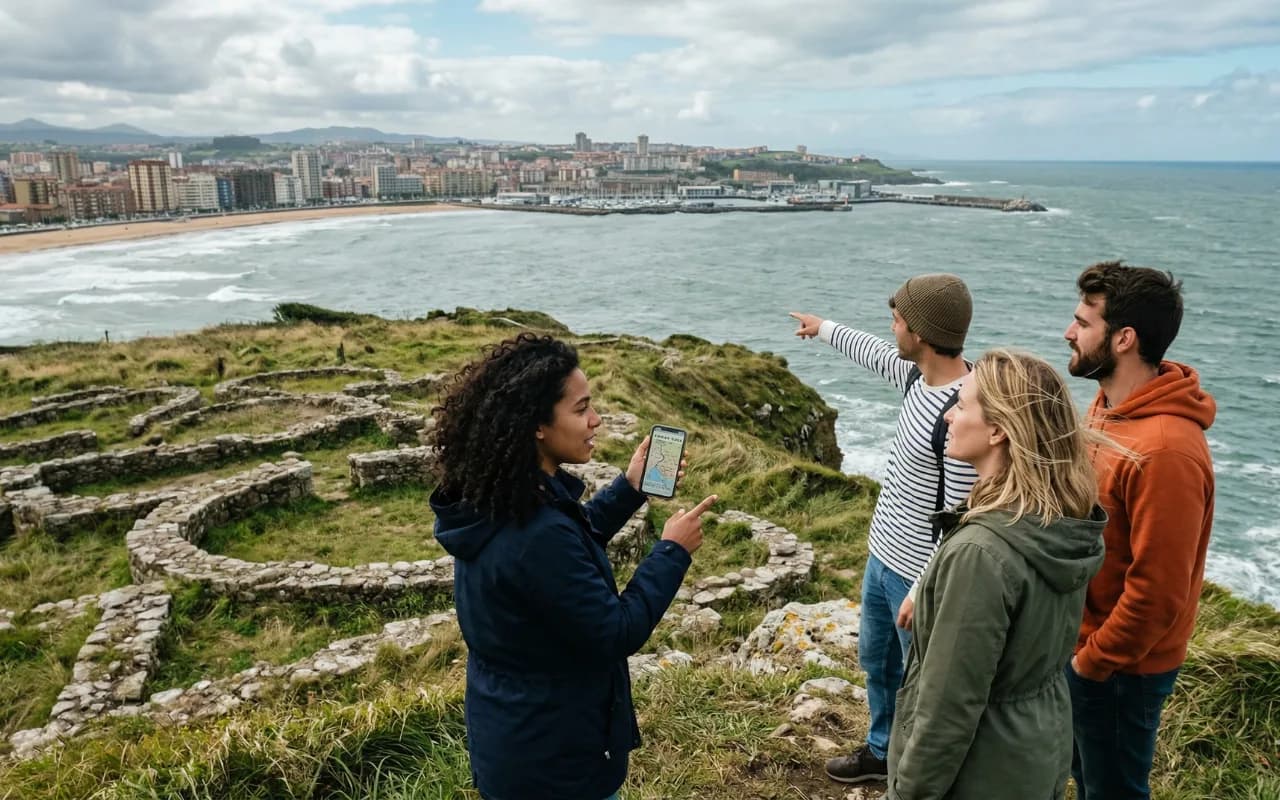
Looking to step off the beaten path during your stay in Gijón? Beyond classic sightseeing, the city offers a wealth of opportunities for unique activities. Forget traditional museums for a moment and embark on an unparalleled adventure with our outdoor escape games. Imagine solving puzzles outdoors, exploring hidden corners of Gijón, and interacting with the urban environment to progress in your mission. It's an original and thrilling way to discover the Roman heritage and the historic Cimadevilla district. Our routes are designed to stimulate your team spirit and offer you unforgettable memories, far from the usual crowds.
Things to do in Gijón with kids
Gijón is a fantastic destination for families, offering a multitude of activities for all ages. After a morning building sandcastles on San Lorenzo beach or exploring the Gijón Aquarium, why not embark on an unforgettable family adventure? Our outdoor escape games are perfectly suited for children and teenagers. It's an excellent opportunity to work as a team, stimulate curiosity, and solve puzzles together, all while exploring the city's charms. The "Roman Gijón and Cimadevilla district" route promises a fun and educational experience, where both young and old will learn while having a great time.
Gijón for couples
For a romantic getaway in Gijón, imagine strolling hand-in-hand through the picturesque streets of Cimadevilla, watching the sunset from Cerro de Santa Catalina, or enjoying tapas in a typical sidreria. To spice up your stay, our outdoor escape games offer an original and engaging activity for couples. It's the perfect occasion to collaborate, communicate, and solve challenges together, strengthening your bond while exploring Gijón's hidden treasures. Share laughter and intimate moments by transforming the city into your personal playground. A memorable experience guaranteed for adventure lovers.
What to do in Gijón when it rains
Even on a rainy day, Gijón has its share of indoor activities, such as the Asturian Railway Museum or the Oscar Niemeyer International Cultural Center in nearby Avilés. However, it's important to note that our escape games are primarily outdoor experiences. While the route can be enjoyed in light drizzle with appropriate clothing, cold and rainy weather might diminish the enjoyment of the game. We recommend checking the forecast before you start and choosing our games on fair-weather days to fully appreciate the urban exploration.
Where is Gijón, and where do the routes start?
Starting points of our routes and the places they pass through.
Route starting points
Places in Gijón
- Cerro de Santa Catalina · The Cimadevilla peninsula
- Termas Romanas de Campo Valdés · Roman luxury on the Atlantic
- Cimadevilla · The living heart of Gijón
- Roman wall · Remains of Augustus' fortification
The history of Gijón
Roman Foundations and Medieval Growth
Gijón was a settlement in the Neolithic era, with archaeological traces on Mount Deva. The Celtiberian Astures tribe inhabited the area in the pre-Roman period. The Romans arrived in the 1st century AD, establishing Gigia on the Cimadevilla peninsula, which is now the city's historic center. Roman presence is visible in the ruins of the Roman baths in the Campo Valdés area, dating from the late 1st and early 2nd centuries AD. These baths are the most significant Roman ruins in northern Spain.
After the Muslim invasion of the Iberian Peninsula in the 8th century, Gijón served as the capital of Muslim territories on the Cantabrian Sea between 713 and 718 or 722. Following the Battle of Covadonga in 722, Gijón became part of the Kingdom of Asturias under King Pelayo. Although Pelayo resided in Gijón for a time, the kingdom's capital moved southward. In 1270, King Alfonso X granted Gijón town privileges, which supported its growth and an influx of new residents.
Industrial Development and Modern Changes
The 18th century brought a cultural and urban revival to Gijón, due to Gaspar Melchor de Jovellanos, a figure of the Spanish Enlightenment and a native of the city. He supported projects to modernize the port and develop urban infrastructure, which prepared the city for industrial expansion. The 19th century saw Gijón become an industrial center in northern Spain, driven by the coal industry and railway construction. The El Musel port, which began operations in 1893, became a center for transporting coal and other goods. This industrial development led to the creation of neighborhoods like Natahoyo, La Calzada, Tremañes, and El Humedal.
During the Spanish Civil War (1936-1937), Gijón supported the Republican faction and served as the capital of the Sovereign Council of Asturias and León. In the latter half of the 20th century, Gijón, once a center for steel and naval industries, transitioned into a tourist, university, commercial, and research and development center.
What to see in Gijón
- Cerro de Santa Catalina — This headland offers views of the city and the Bay of Biscay. It holds Eduardo Chillida's sculpture, "Elogio del Horizonte" (Eulogy to the Horizon), a concrete structure that frames the sea and creates an acoustic effect when standing inside.
- Cimadevilla Peninsula — The oldest part of Gijón, this former fishing village has narrow streets and colorful houses. It is a place to find traditional cider houses and see the city's maritime history.
- Termas Romanas de Campo Valdés — Located beneath Campo Valdés square, these Roman baths from the 1st-2nd century AD show Gijón's Roman past. The museum displays the hypocaust (underfloor heating) system and different bathing rooms.
- Roman Wall — Parts of the Roman fortifications, built between the late 3rd and early 4th centuries, are visible in the city center, near the Church of San Pedro. This wall once enclosed the ancient city, corresponding to today's Cimadevilla neighborhood.
- Laboral Ciudad de la Cultura — An architectural complex, built in the mid-20th century as the Universidad Laboral. It is the largest building in Spain and now houses cultural, educational, and business initiatives, including performance spaces and art exhibitions.
- Museo del Ferrocarril de Asturias — Housed in the old North Station, built in 1873, this railway museum has a collection of steam locomotives and railway memorabilia. It shows the role of railways in Asturias's industrialization.
When to visit Gijón
Gijón has a mild oceanic climate. The best time to visit for outdoor activities and beach use is from late June to early September, when temperatures average between 21-23°C (70-73°F) and rainfall is low. July is the clearest and driest month. Sea temperature peaks in August, averaging 20°C (68°F), suitable for swimming.
To avoid crowds and higher prices, consider late spring (May) or early autumn (September). May offers highs of 18°C (64°F) and moderate rain, while September remains warm with fewer beach visitors. From November through March sees the most rain and fewer tourists, with daytime highs around 13-15°C (55-59°F). November has persistent drizzle and grey skies.
Getting around Gijón
Gijón is connected and easy to navigate. Asturias Airport (OVD) is about 30-40 km west of the city. An ALSA intercity bus service connects the airport to Gijón, taking 45-55 minutes and costing €3-9. Taxis take about 35 minutes and cost €60-85.
The main train station, Gijón Sanz Crespo, is on Sanz Crespo street, a 15-minute walk from the city center. It offers Renfe services, including commuter trains from Oviedo (around 30 minutes). The bus station is next to the train station.
Gijón is a walkable city, especially Cimadevilla, the city center, and San Lorenzo beach. Public buses operated by EMTUSA cover most of the city, with a single ticket costing around €1.50. Bike rentals are available, with over 30 kilometers of bike lanes. For parking, there are underground public parking lots in the city center.
Local markets are available: the Mercado del Sur, an indoor municipal food market on Plaza Seis de Agosto, is open Monday to Saturday from 8 AM to 8 PM. The Mercado Artesano y Ecológico de Gijón takes place on Saturdays and Sundays in Plaza Mayor. The Gijón Flea Market (El Rastro) is held every Sunday near the Estadio del Molinón. Dinner typically starts around 9 PM.
Things you probably do not know about Gijón
Verified details most visitors walk straight past.
- Termas Romanas de Campo Valdés
- What hidden technology allowed the Romans in Gijón to enjoy warm baths even on chilly Cantabrian days? The Roman baths at Campo Valdés preserve the hypocaust system, a Roman heating method that circulated hot air under the floors and through the walls to warm the rooms. This allowed for bathing regardless of the weather.
- Campa Torres (Castro de Noega)
- Before the Romans, what unique building style characterized the fortified settlement on Campa Torres? The ancient fortified settlement of Castro de Noega on Campa Torres, considered the predecessor of modern Gijón, featured round buildings and a distinctive wall, reflecting the construction style of the Astures tribe.
- Capilla de La Soledad
- What forgotten purpose did the 17th-century Capilla de La Soledad once serve, beyond religious worship? The Capilla de La Soledad, built in the 17th century, was once the headquarters of the Seafarers Guild, showing Gijón's connection to its maritime history and the importance of its sailors.
- Plaza del Periodista Arturo Arias (Campu les Monxes)
- What unusual transformation did a convent in this square undergo in the 19th century? The former convent of the Augustinian Recollect sisters in Plaza del Periodista Arturo Arias (also known as Campu les Monxes) closed in 1842 and was transformed into a tobacco factory, known locally as "La Tabacalera."
- El Musel Port
- What significant record did El Musel Port achieve shortly after its construction in the late 19th century? Built in 1893, El Musel Port became the first coal port of the Iberian Peninsula, playing a role in Spain's industrial development and Gijón's economic growth.
- Museo del Ferrocarril de Asturias
- What surprising historical detail is connected to the railway system that once served Gijón's industries? Gijón was served by one of the earliest railway lines in Spain, the third ever built in the kingdom, showing the city's importance as an industrial center with mineral deposits requiring efficient transport to its port.
- Universidad Laboral de Gijón
- What was the original and rather specific purpose of the massive Universidad Laboral building? The Universidad Laboral, the largest building in Spain, was founded in 1955 to provide education for the children of miners, reflecting the region's industrial heritage.
Questions about visiting Gijón
How many days should I spend in Gijón?
To see Gijón's main attractions, including its Roman heritage, old town, and beaches, a stay of 2 to 3 days is recommended. This allows time for exploration, local cuisine, and a short day trip to nearby areas like Oviedo.
What are the best neighborhoods to explore in Gijón?
Cimadevilla, the old fishing quarter, is important for its historic character. The city center offers shopping and dining, while the areas around San Lorenzo beach are for coastal walks. Natahoyo and La Calzada show the city's industrial past.
What is the typical budget for a trip to Gijón?
Gijón is generally priced moderately compared to some other Spanish cities. Accommodation, food, and transport costs are moderate. You can find value in local restaurants and cider houses, especially outside of peak summer season. Hotel rates decrease from October to May.
Is Gijón easy to get around with children?
Yes, Gijón is a pedestrian-friendly city with many parks and beaches, suitable for families. The Museo del Ferrocarril de Asturias is engaging for children, offering an experience with steam engines. The promenade along San Lorenzo beach is also for walks.
What are some local customs or etiquette I should know in Gijón?
Asturians are known for being warm and relaxed. Dinner typically starts later, around 9 PM. When enjoying Asturian cider (sidra), it is traditionally poured from a height by an 'escanciador' to aerate it, and small amounts are served at a time to be drunk quickly.
How do I get from Asturias Airport to Gijón city center?
Asturias Airport (OVD) is approximately 30-40 km from Gijón. The most economical option is the ALSA intercity bus, which takes 45-55 minutes and costs €3-9. Taxis are faster, taking about 35 minutes, but cost around €60-85.
Frequently asked questions
How much does an outdoor escape game cost in Gijón?
The price of our outdoor escape games in Gijón is €12 per team, not per person! This is a fixed rate for your entire group, making the activity very affordable, especially if you come with several people. This price includes access to the game via our mobile application, which will guide you through the puzzles and points of interest in the city. It's an excellent way to enjoy a fun and cultural activity without breaking the bank.
Is it suitable for children / families?
Absolutely! Our escape games are designed to be accessible and fun for the whole family. The "Roman Gijón and Cimadevilla district" route is particularly suitable for children aged 8-10 and up, accompanied by adults. The puzzles are varied, combining observation, logic, and a bit of local history, which stimulates everyone's curiosity. It's a wonderful opportunity to share quality time and learn together while exploring the city.
How long does an escape game in Gijón last?
The duration of our escape games in Gijón is flexible and depends on your pace and your ability to solve the puzzles. On average, allow between 1h30 and 2h30 to complete the "Roman Gijón and Cimadevilla district" route. You are free to take breaks, stop for a drink, or visit a monument along the way. The advantage is that you play at your own rhythm, with no imposed time constraints.
Do I need to book in advance?
No, advance booking is not necessary for our outdoor escape games in Gijón. You can purchase and activate the game directly on our mobile application whenever you wish. This offers you total flexibility: you decide the day and time of your adventure. All you need is a charged smartphone and an internet connection to download the game, and you're ready to explore the city at your leisure.
What to visit in Gijón beyond the escape games?
Gijón is full of treasures to discover! After your escape game, be sure to stroll through the charming Cimadevilla district, visit the Termas Romanas de Campo Valdés for a dive into history, or walk along San Lorenzo beach. The Cerro de Santa Catalina, with the "Elogio del Horizonte," offers breathtaking views. For culture enthusiasts, the Asturian Railway Museum is interesting. Don't forget to taste local specialties in a sidreria!
What is the best season to visit Gijón?
The best season to visit Gijón and fully enjoy our outdoor escape games is undoubtedly spring (May-June) and summer (July-September). During these months, the weather is generally milder and sunnier, ideal for urban exploration on foot. Autumn can also be pleasant, with mild temperatures, but the risk of rain increases. Winter is cooler and wetter, making outdoor activities less comfortable.
Other destinations in Asturias
More cities in Spain
Santillana del Mar
Medieval village and Altamira caves
Santander
1941 great fire and Belle Époque
Burgos
El Cid's cathedral and Camino gateway
Bilbao
From industrial Casco Viejo to the Guggenheim
Santiago de Compostela
Following the millennial pilgrims
Salamanca
The golden city and its university secrets
Vigo
Sunken treasures and Celtic heritage
Activities to discover nearby
Guided tours, skip-the-line tickets and local experiences to book in advance.
💡 Optional booking — you can also buy on-site. All links open in a new window, your OddballTrip visit stays preserved.