SwanseaOutdoor Escape Game & Treasure Hunt
Where a spectacular bay meets Welsh industrial heritage
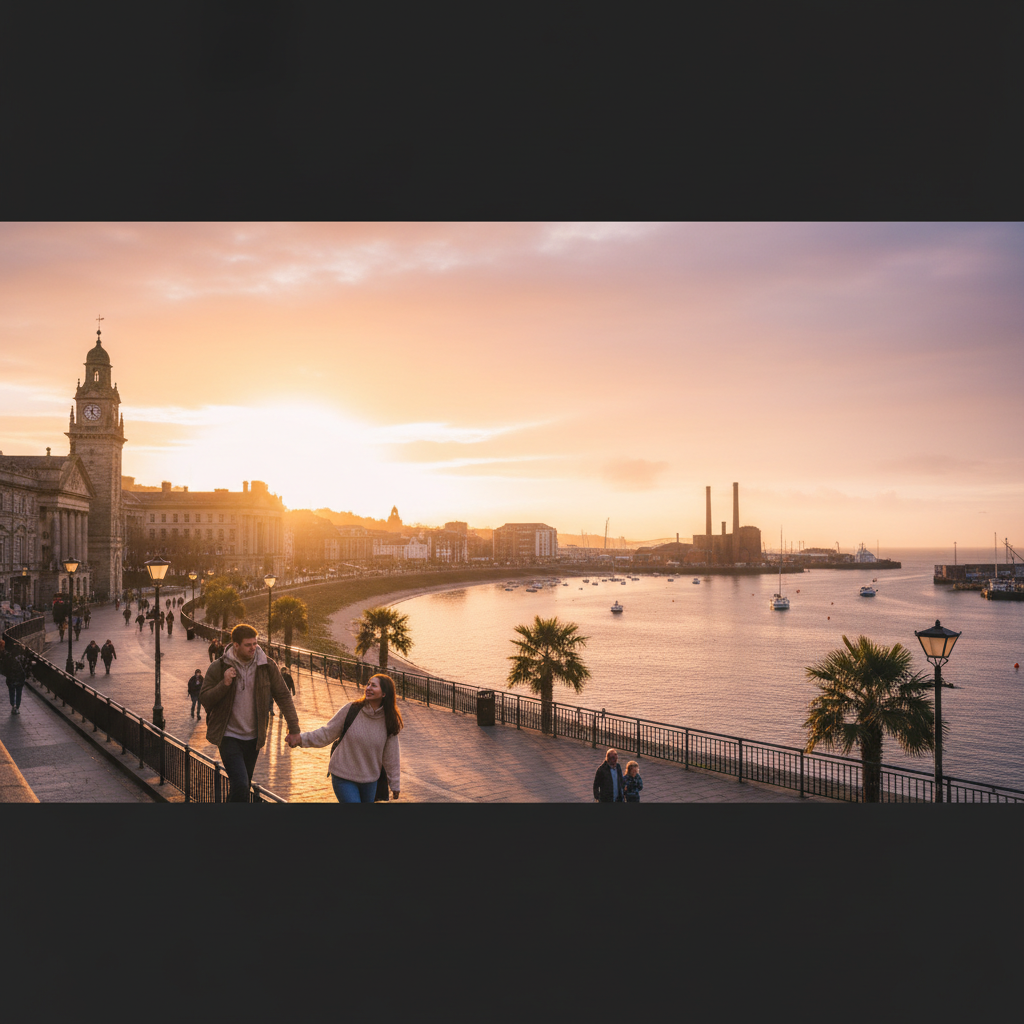
Looking to discover Swansea in a unique way? This Welsh city, nestled between a spectacular bay and a rich industrial heritage, offers a multitude of experiences. For an unusual activity, why not embark on an outdoor escape game? Imagine solving puzzles in the open air, transforming the streets of Swansea into a vast playground. Whether it's an interactive treasure hunt or a captivating scavenger hunt, it's an original way to explore. Stroll along the magnificent Swansea Bay promenade, breathe in the sea air, and admire the views. Dive into maritime history at the National Waterfront Museum, or explore the unique atmosphere of the Mumbles district, with its iconic lighthouse and charming boutiques. An outdoor escape game will allow you to combine cultural exploration with playful adventure, making your visit to Swansea unforgettable and full of surprises.
Unusual things to do in Swansea
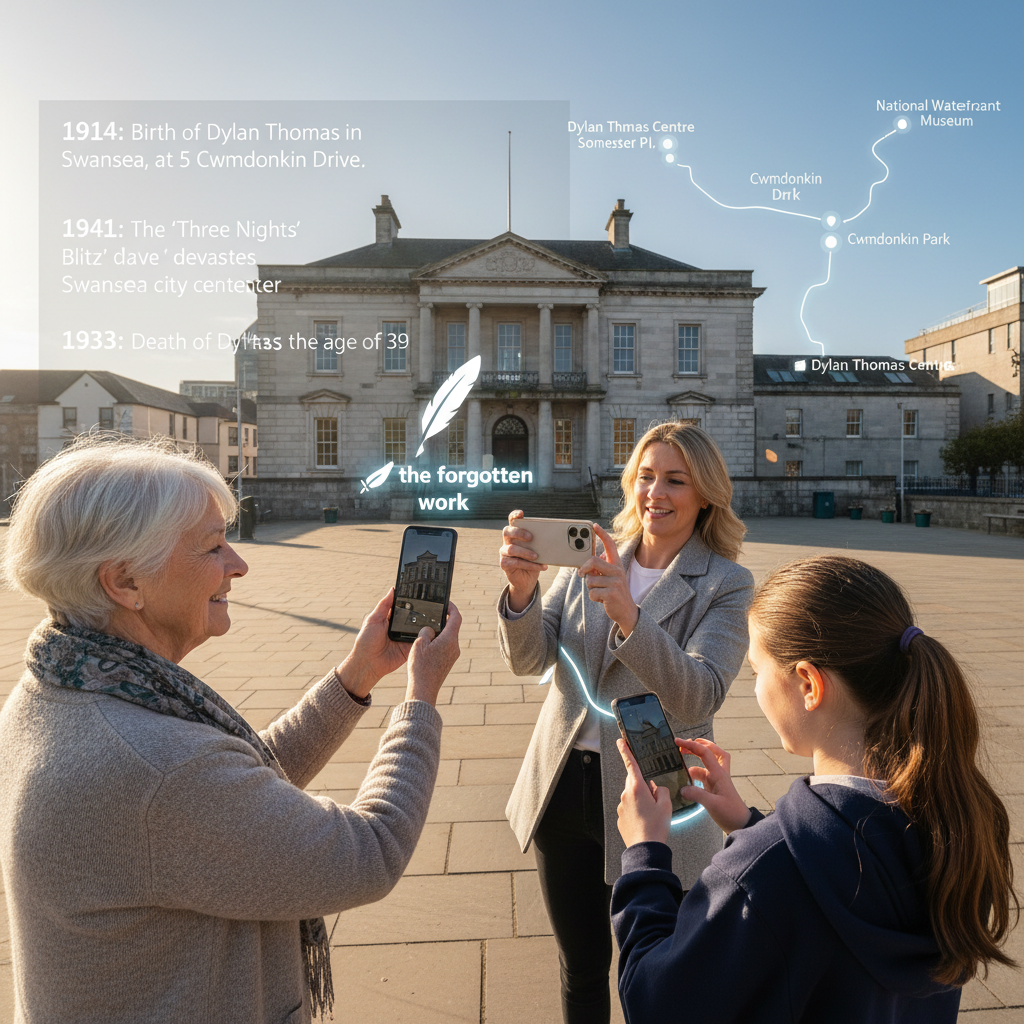
For an unusual activity in Swansea, off the beaten path, explore the fascinating contrast between its industrial past and coastal beauty. Embark on an original outing by participating in an outdoor escape game that will lead you to discover hidden corners and little-known anecdotes, far from traditional tourist guides. Imagine a treasure hunt that takes you from the historic port to vibrant alleys, revealing the city's secrets. It's a unique and fun immersion for those looking to experience Swansea differently, combining adventure with cultural discovery. An 'activité insolite à Swansea' promises a truly 'sortie originale'.
Things to do in Swansea with kids
Swansea is full of activities for a memorable family day. If you're looking for things to do with the family in Swansea, an outdoor escape game is a fantastic option. Suitable for children and teens (generally from 8 years old, accompanied), it turns the city into a huge playground. The playful challenges and puzzles stimulate collaboration, making the experience fun and educational for everyone. It's a great way to create memories, encourage critical thinking, and discover Swansea's charms together, all while enjoying the fresh air. An outing that is sure to please the whole family!
Swansea for couples
For a romantic getaway in Swansea as a couple, let yourself be charmed by the city's unique atmosphere. Stroll hand-in-hand along the bay, with its breathtaking views of the sea and the Mumbles lighthouse in the distance. Explore the picturesque alleys of the city center, discover intimate cafes and artisan boutiques. Swansea's rich heritage provides an ideal setting for special moments. A scavenger hunt or treasure hunt can even add a touch of adventure to your romance, allowing you to discover Swansea's hidden secrets and beauty together, creating unforgettable memories.
What to do in Swansea when it rains
Even on a rainy day, Swansea has plenty to entertain you, and our outdoor escape game is designed to minimize inconvenience. Rest assured, approximately 80% of the route takes place under arcades, covered passages, or in sheltered areas, allowing you to enjoy the adventure without being completely exposed to the elements. It's an ideal solution for a fun and immersive activity, even when the sky is capricious. You can solve puzzles and explore the city with peace of mind, sheltered from the drops, transforming a gray day into a joyful and memorable experience.
Where is Swansea, and where do the routes start?
Starting points of our routes and the places they pass through.
Route starting points
Places in Swansea
- Dylan Thomas Centre
- 5 Cwmdonkin Drive
- Cwmdonkin Park
- National Waterfront Museum (exterior)
- St Mary's Church (exterior)
- Swansea Bay Promenade
- Oystermouth Castle (exterior)
- Mumbles Pier (start of the Pier)
The history of Swansea
Roman Outpost and Norman Foundation
Swansea's history begins with the Roman fort, Leucarum, established in the AD 70s at the mouth of the River Loughor. This fort housed auxiliary troops, and archaeological finds, including a Roman bath-house in 1851, confirm its role among forts along the South Wales coast. The Welsh name for Swansea, Abertawe, meaning "mouth of the Tawe," appeared around 1150.
The town of Swansea was founded in the early 12th century following the Norman invasion of Wales. Henry de Beaumont, the first Norman lord of Gower, built a wooden castle in 1106. The town developed around this structure, which was rebuilt in stone during the 13th century. King Edward I granted Swansea a charter in 1306, formally recognizing it as a borough and permitting regular markets and fairs.
"Copperopolis" and Wartime Destruction
By the 1700s, Swansea became a significant port, supported by the South Wales coal mining industry. The town's population doubled by the mid-17th century due to coal and iron exports, shipbuilding, and wool-weaving. From the early 1700s to the late 1800s, Swansea was the world's leading copper smelting center, known as "Copperopolis." The first furnaces opened in 1717, leading to a 500% population increase over the next century. By the 1850s, over 600 furnaces operated in Swansea, though the trade later declined.
During World War II, Swansea's status as a port and industrial center made it a target for German bombing raids. The most intense period, the Three Nights' Blitz, occurred from February 19 to 21, 1941. This event killed 230 people and injured 391, leaving the city center largely in ruins. Swansea endured 40 bombing raids throughout the war. The city officially gained city status in 1969.
What to see in Swansea
- Swansea Castle — See the ruins of the Norman castle on Worcester Place. It was originally built in wood in 1106 and rebuilt in stone in the 13th century. The remains are opposite the Castle Gardens fountain.
- Dylan Thomas Centre — This center presents exhibitions on the life and work of Welsh poet Dylan Thomas, who was born in Swansea. It provides information on his literary contributions and connection to the city.
- National Waterfront Museum — Explore Wales' industrial and maritime history through interactive exhibits. The museum details the impact of industries like coal and copper on the region. It is housed in a modern building at the city's waterfront.
- St Mary's Church, St Mary's Square — Visit Swansea's parish church, which dates back to the 12th century. It was heavily damaged during the Three Nights' Blitz in 1941 but was rebuilt and remains a part of the city's heritage.
- Cwmdonkin Park — Walk through this Victorian park, a place significant to Dylan Thomas, who lived nearby at 5 Cwmdonkin Drive. The park has green spaces, a children's play area, and a memorial stone for the poet.
- Oystermouth Castle — Travel towards Mumbles to see this Norman stone castle overlooking Swansea Bay. Its origins are from 1106, and it offers views of the coast.
- Mumbles Pier — Walk along this pier, which opened in 1898. It has an amusement arcade and views of Swansea Bay.
When to visit Swansea
The most comfortable time to visit Swansea is from late spring to early autumn, specifically May through September. The weather is generally mild, with daytime highs from 16°C to 20°C. July and August are the busiest months, with more events and higher prices. For fewer crowds and better value, consider May, June, and September. Swansea receives an average of 1,200mm of rain annually over about 167 days, so a waterproof jacket is advisable year-round. Avoid January, which is typically the wettest month.
Getting around Swansea
Swansea is accessible by train, with Swansea railway station connecting to major UK cities. Cardiff Airport (CWL) is the closest international airport, about an hour's drive away. The city center is walkable, with many attractions close to each other. For longer distances, a bus network serves the city and surrounding areas, including Mumbles. Several car parks are available in the city center, such as the Quadrant Car Park and Waterfront Car Park. In Mumbles and the Gower Peninsula, parking can fill quickly in summer. Swansea Market, an indoor market, operates Monday to Saturday.
Things you probably do not know about Swansea
Verified details most visitors walk straight past.
- Swansea Museum
- Did you know that Wales' oldest museum holds a secret that once puzzled art experts? Swansea Museum, which opened in 1841, is the oldest museum in Wales. In 2016, a lost study for a Jacob Jordaens painting, valued at over £3 million, was uncovered at the museum during a BBC television programme.
- Mumbles Railway
- Before steam trains dominated the tracks, a unique railway in Swansea made history with its passengers. The Mumbles Railway, built in 1804 to transport limestone, became the world's first fare-paying passenger railway on March 25, 1807. Initially, it was a horse-drawn service, predating the Stockton and Darlington Railway's steam passenger service by two decades.
- Oystermouth Castle
- This Norman castle, often attacked by the Welsh, once hosted a king and later fell into disuse before its revival. Oystermouth Castle, initially a wooden motte and bailey structure from 1106, was frequently attacked by the Welsh. King Edward I visited the castle in December 1284. By 1650, it was described as an "old decayed castle" of "no use," but it was restored in the 1840s.
- Cwmdonkin Park
- Beyond its green lawns and flowerbeds, this park holds a deep connection to one of Wales' most celebrated literary figures. Cwmdonkin Park was a significant childhood haunt for Dylan Thomas, who grew up at 5 Cwmdonkin Drive, just a short walk away. His experiences in the park and surrounding areas heavily influenced his poetry and prose, making it a tangible link to his early life.
- St Mary's Church
- The current appearance of St Mary's Church tells a story of resilience through one of Swansea's darkest periods. St Mary's Church suffered extensive damage during the Three Nights' Blitz in February 1941, which devastated much of Swansea city centre. The church was subsequently rebuilt, symbolizing the city's recovery from the wartime destruction.
Questions about visiting Swansea
What is the easiest way to get around Swansea?
Walking is suitable for exploring Swansea city centre and the waterfront. For longer distances or trips to areas like Mumbles and the Gower Peninsula, an extensive bus network is available. Taxis and ride-sharing services also operate throughout the city.
How many days should I spend in Swansea?
To see Swansea's main attractions, including its museums, bay, and the Mumbles area, a stay of 2 to 3 days is generally sufficient. If you plan to explore the Gower Peninsula's beaches and coastal paths, consider adding an extra day or two.
Which are the main neighborhoods to explore in Swansea?
The city centre offers shopping and cultural sites like the Dylan Thomas Centre. The Waterfront area features the National Waterfront Museum and marina. Mumbles, a village at the western end of Swansea Bay, is known for its pier and Oystermouth Castle.
What is the best time of year to visit Swansea for good weather?
For the most comfortable weather, visit Swansea between May and September. Temperatures are mild, making it pleasant for outdoor activities. However, be prepared for rain at any time of year, as Swansea experiences frequent rainfall.
Is Swansea an expensive city to visit?
Swansea generally offers a more affordable travel experience compared to larger UK cities. Accommodation, dining, and attraction prices are reasonable, particularly if you visit during the shoulder seasons (May-June and September) when crowds and prices drop.
Is Swansea suitable for a family trip with children?
Yes, Swansea is suitable for families. It offers attractions like the National Waterfront Museum with interactive exhibits, Cwmdonkin Park for outdoor play, and the beaches of Swansea Bay and the Gower Peninsula. Oystermouth Castle also provides an engaging historical visit for all ages.
Frequently asked questions
How much does an outdoor escape game cost in Swansea?
An outdoor escape game in Swansea is a very accessible activity, ideal for a group of friends, a family, or even a couple. The price is typically €12 per team, making the experience very affordable per person. This price includes access to the game via our app, all the puzzles, and challenges to solve. It's an excellent alternative to more expensive activities, offering hours of entertainment and city discovery. Get ready for an economical and memorable adventure!
Is it suitable for children / families?
Absolutely! Our outdoor escape games are designed to be a fantastic activity for the whole family. The puzzles are varied and accessible, allowing children (generally from 8 years old, with adult help) and teenagers to participate actively. It's a great way to stimulate teamwork, communication, and curiosity. Younger ones will love the outdoor treasure hunt, while older ones will appreciate the logical challenges. It's a fun and educational outing that guarantees laughter and beautiful memories for all ages.
How long does an escape game last in Swansea?
The duration of an outdoor escape game in Swansea varies, but on average, plan for between 1.5 to 2.5 hours to complete the route. This, of course, depends on your team's pace, your ability to solve puzzles quickly, and the time you take to admire the places you pass through. The advantage is that you play at your own pace: you can take breaks for coffee, visit a monument, or simply enjoy the city's atmosphere. It's a flexible adventure that adapts to your desires!
Do I need to book in advance?
For most of our outdoor escape games in Swansea, it's not necessary to book in advance in the traditional sense. Once you've purchased the game online, you can start it whenever you want, at the time that suits you best, within the opening hours of the locations if the game depends on them. This is ultimate flexibility! Simply download the app, enter your code, and head to the starting point. This allows you to organize your day spontaneously and embark on the adventure whenever the mood strikes you.
What to visit in Swansea beyond escape games?
Beyond our exciting escape games, Swansea offers many attractions. Don't miss a stroll along the beautiful Swansea Bay, with its beaches and views of the Gower Peninsula. The National Waterfront Museum is perfect for diving into Wales' industrial and maritime history. The Mumbles district, with its charming lighthouse and shops, is ideal for wandering. For literature lovers, the Dylan Thomas Centre pays homage to the famous poet. And of course, Swansea's indoor market is a sensory experience not to be missed for tasting local specialties.
What is the best season to visit Swansea?
Swansea is charming all year round, but the best season to visit, especially to fully enjoy outdoor activities like our escape games, is undoubtedly spring (April-June) or summer (July-September). The weather is generally milder and sunnier, ideal for walking along the bay and exploring the city. Autumn offers magnificent colors, and winter, although cooler, can be conducive to quieter visits to museums and cafes. Each season has its charm, but summer maximizes the chances of pleasant weather for outdoor adventure.
Other destinations in South and Valleys
More cities in Wales
Activities to discover nearby
Guided tours, skip-the-line tickets and local experiences to book in advance.
💡 Optional booking — you can also buy on-site. All links open in a new window, your OddballTrip visit stays preserved.