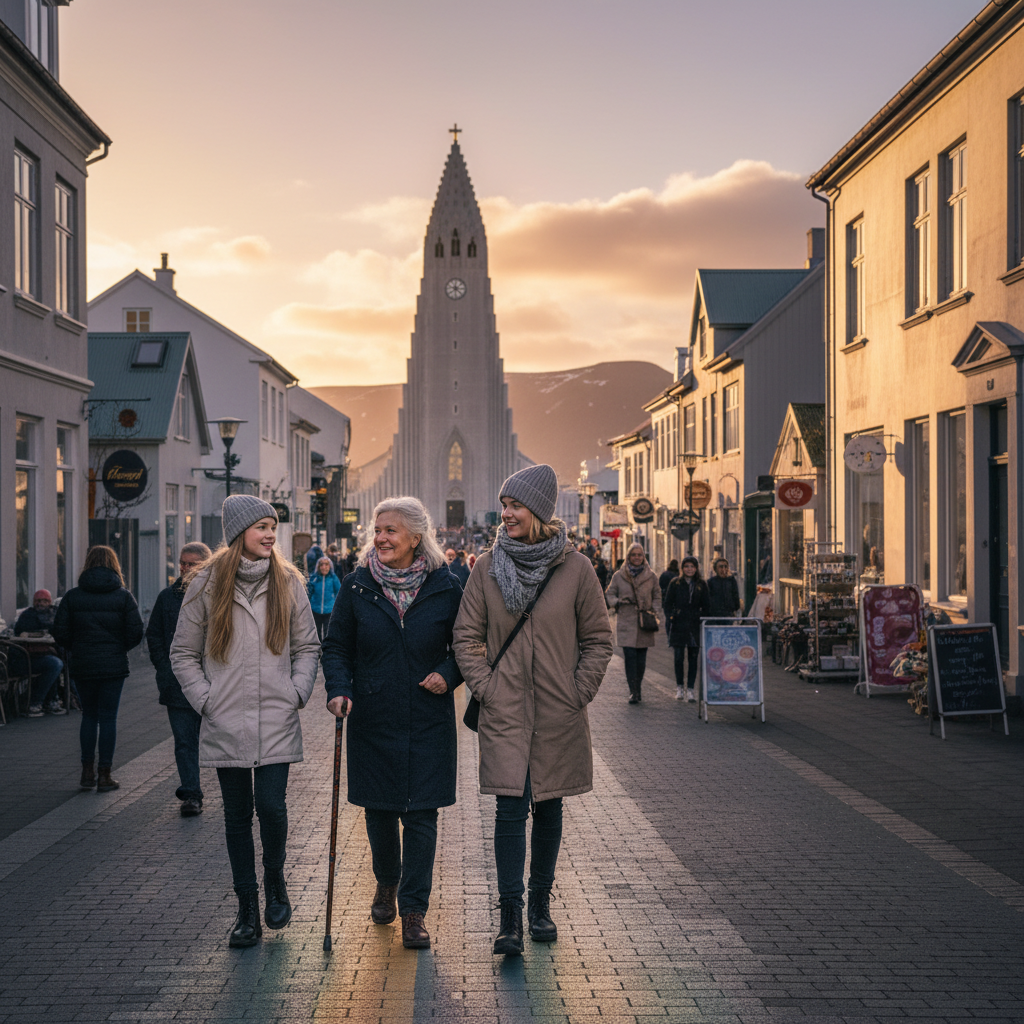
ReykjavikOutdoor Escape Game & Treasure Hunt
World's northernmost capital, vibrant culture amidst lunar landscapes.
Welcome to Reykjavik, the world's northernmost capital, where adventure awaits around every corner! If you're wondering what to do in this vibrant city, know that it's full of unique experiences. Start by strolling through the colorful streets of the Laugavegur district, renowned for its boutiques and street art. Don't miss the majestic Hallgrímskirkja church, whose unique architecture dominates the city and offers breathtaking views from its summit. For a cultural and architectural immersion, the Harpa building, with its shimmering glass facades, is a must-see. But beyond the iconic sites, Reykjavik is the ideal playground for an unusual activity: an outdoor escape game. Imagine a life-sized treasure hunt, a scavenger hunt that takes you through local history and legends, all while solving puzzles. It's a fun and original way to discover the city, its secrets, and its very special atmosphere. Get ready to explore, laugh, and create unforgettable memories in this fascinating Icelandic city.
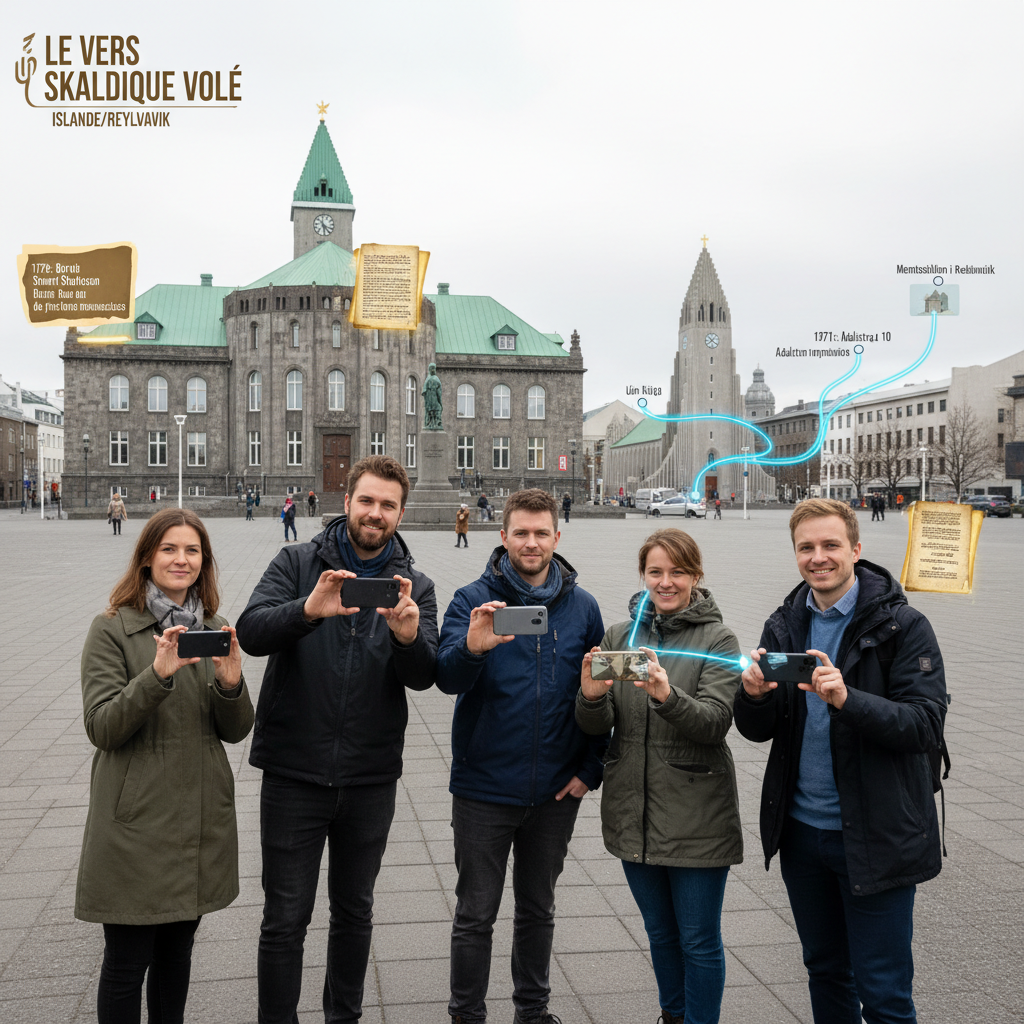
Reykjavik — The Stolen Skaldic Verse
Uncover the thief who stole a priceless skaldic verse from Reykjavik's medieval heart. Decode cryptic clues hidden at historic sites to reclaim the lost manuscript before it's gone forever.
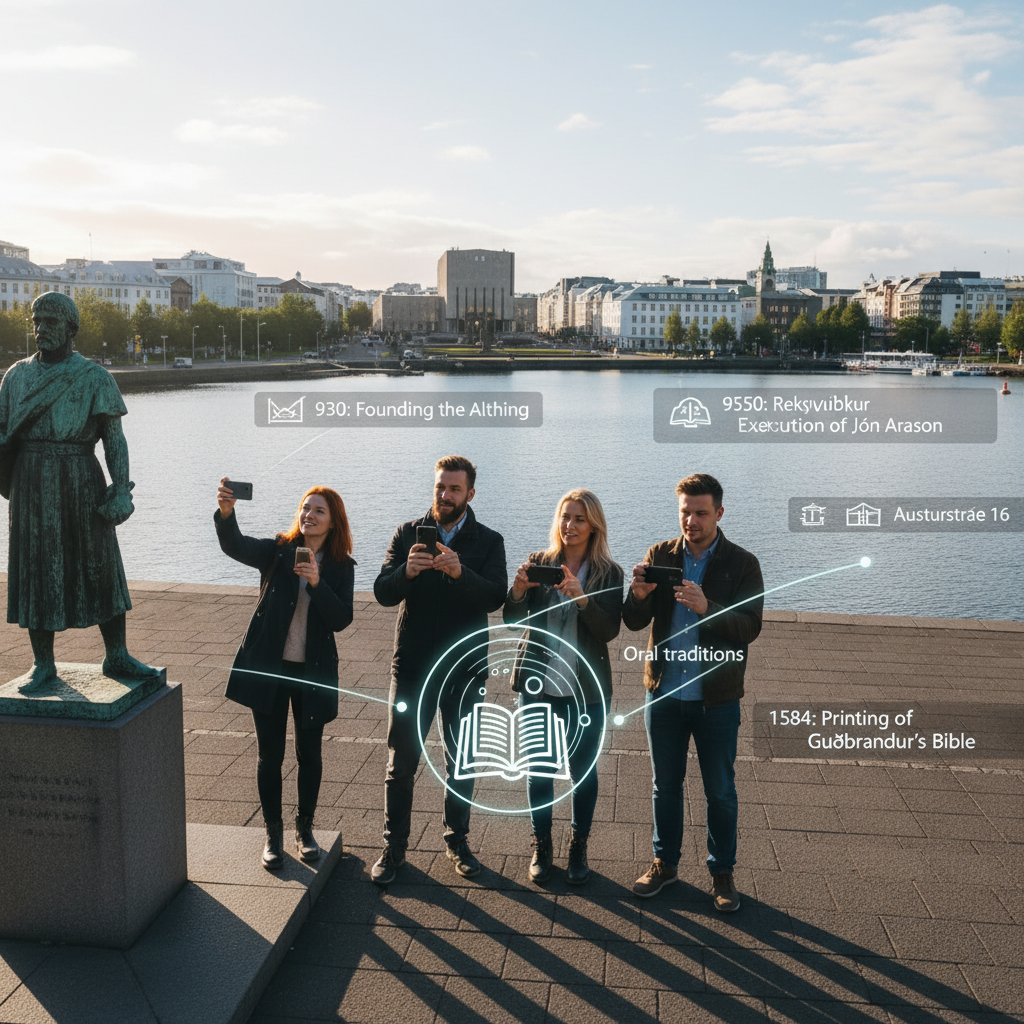
Reykjavik — The Whisper of Skalds
Uncover the lost poem of the ancestors hidden in Reykjavik’s Old Town by solving riddles inspired by ancient skaldic verse.
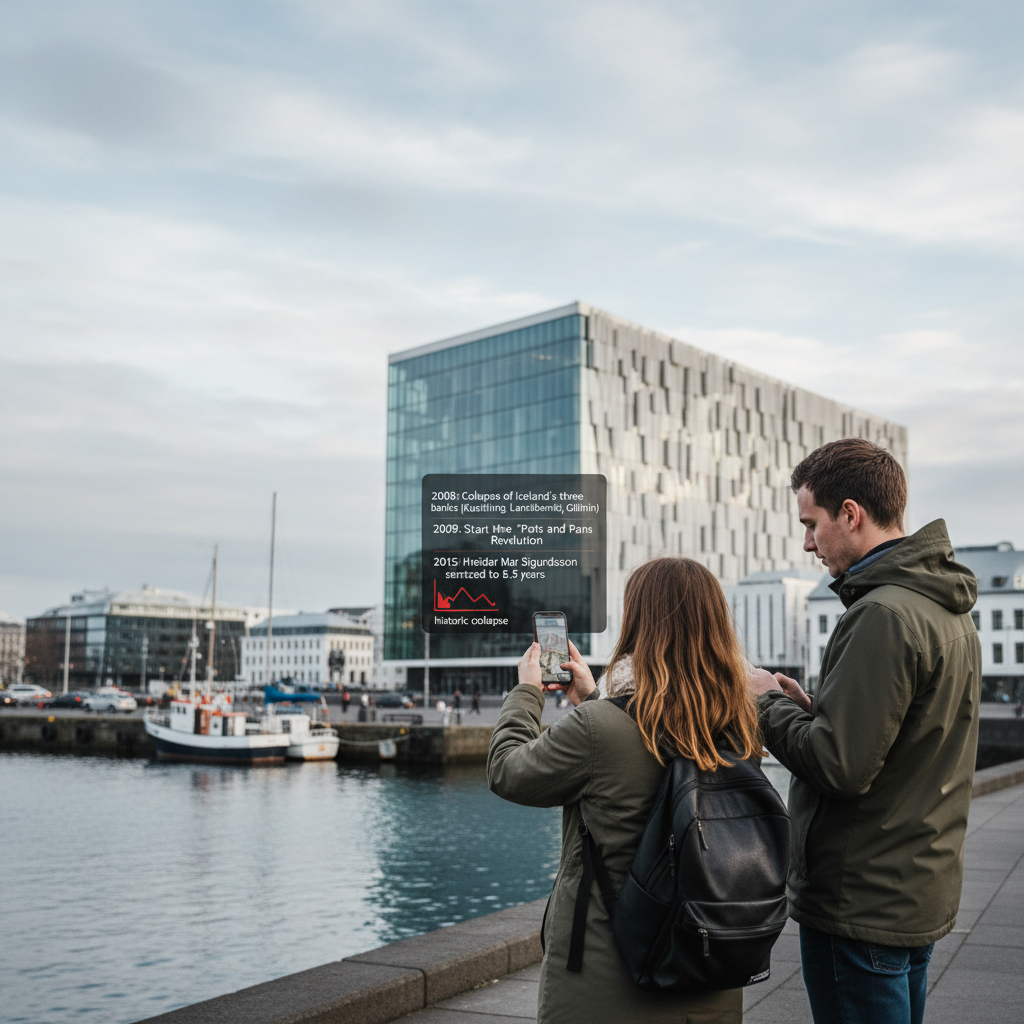
The Kaupthing Conspiracy — Uncover Iceland's Financial Reckoning
Decipher the hidden network behind Iceland's 2008 banking collapse. Follow the money, expose the conspirators, and uncover the truth buried in Reykjavik's financial district.
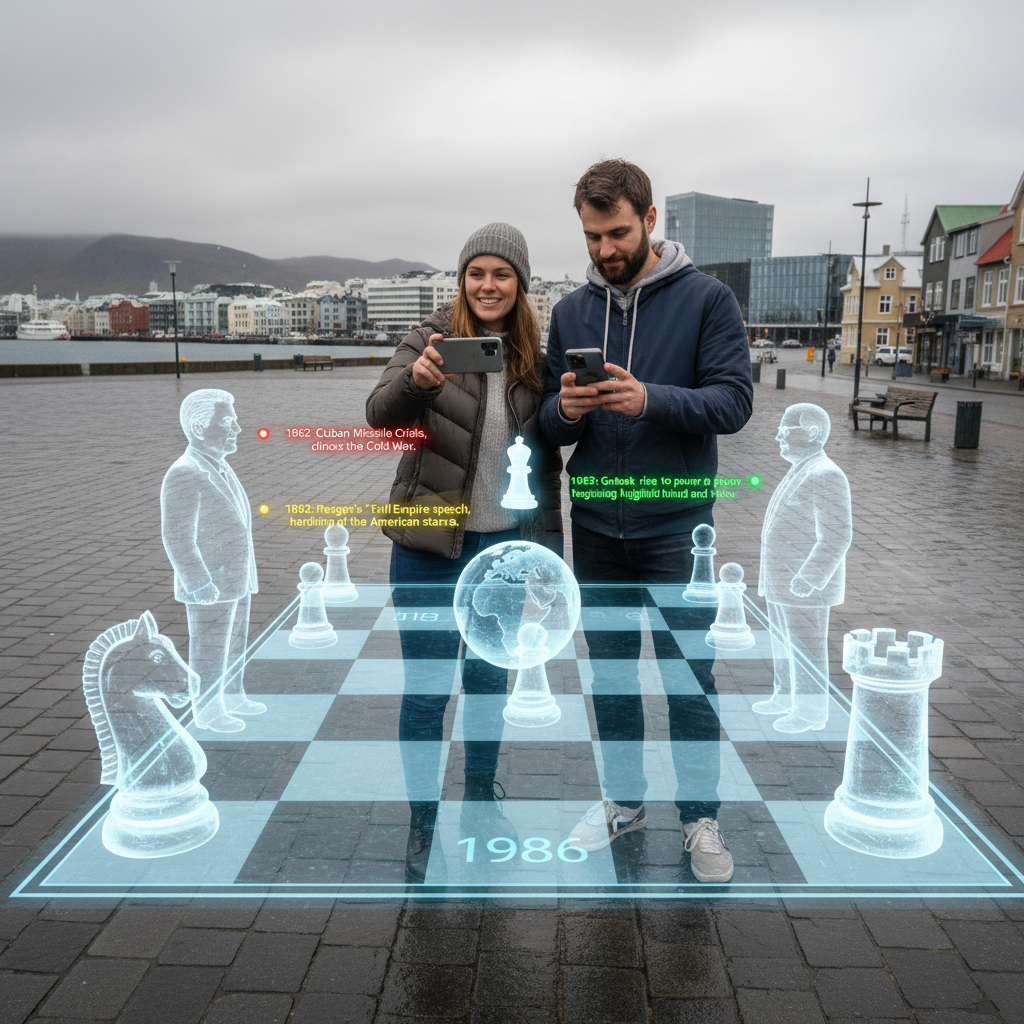
Reykjavik — The Icy Chessboard Conspiracy
1986: Uncover the hidden conspiracy behind Reykjavik's World Chess Championship. Decode Fischer-Spassky clues across Miðborg to expose the Cold War plot that nearly derailed world destiny.
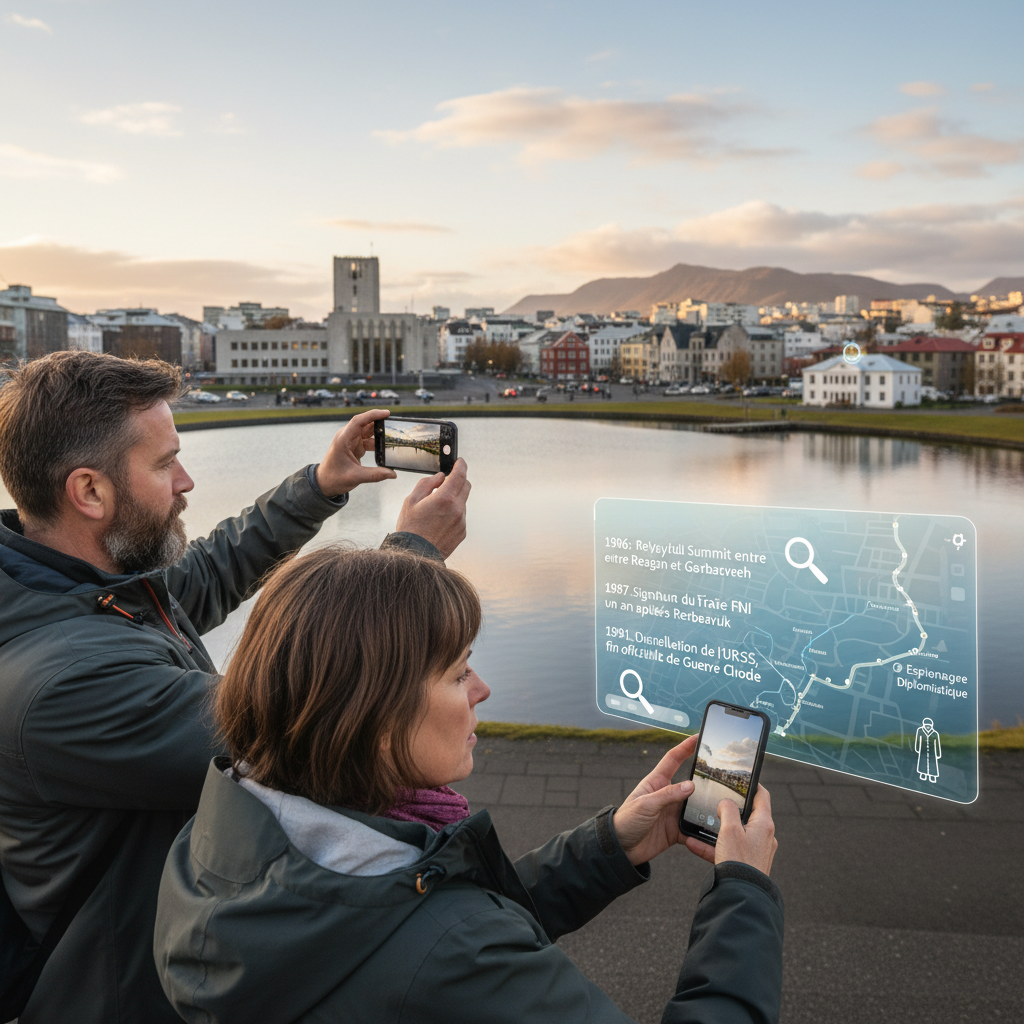
The Höfði Cipher — Decode the Summit's Hidden Accord
October 1986: Decipher the secret clauses Reagan and Gorbachev negotiated behind closed doors at Höfði House. Uncover what the world was never meant to know.
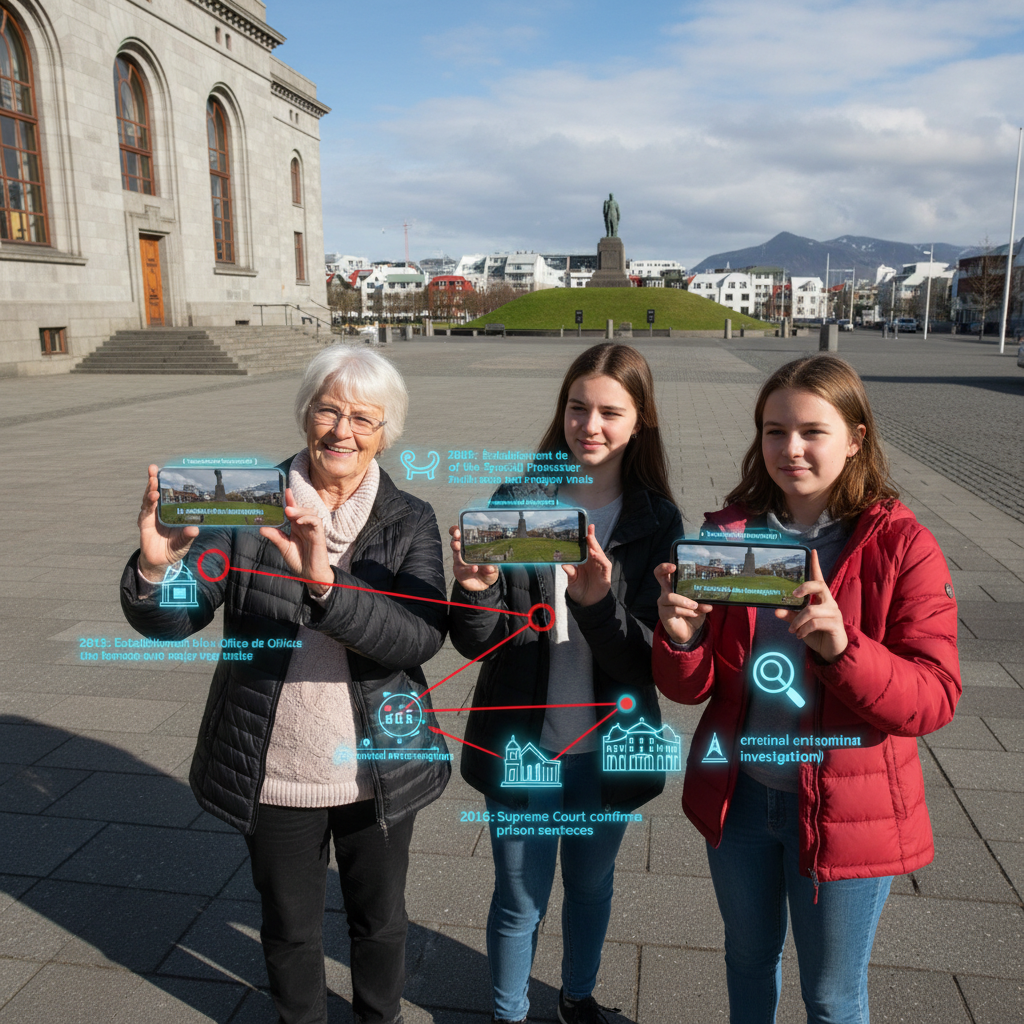
Reykjavik's Reckoning — Uncover the 2008 Banking Conspiracy
Decipher the hidden truth behind Iceland's 2008 financial collapse. Follow the money, expose the conspiracy, and track down the bankers who nearly destroyed a nation.
Unusual things to do in Reykjavik
Reykjavik excels in the art of the unusual. Beyond the classics, why not embark on an unusual activity in Reykjavik by exploring its local geothermal pools, true havens of peace where locals and travelers mingle, far from the crowds of the Blue Lagoon? For an original outing, dive into the world of street art that colors the walls of the city center, transforming every alley into an open-air gallery. And of course, the ultimate experience remains the hunt for the Northern Lights in winter, a breathtaking natural spectacle that transforms the sky into a living canvas. These unique moments guarantee memorable souvenirs.
Things to do in Reykjavik with kids
For families seeking adventure, Reykjavik offers a multitude of activities for all ages. What to do with family in Reykjavik? Children and teens will love exploring the Whale Museum of Iceland for a fascinating dive into the marine world, or letting off steam in one of the city's many geothermal pools, often equipped with slides. An outdoor escape game is also an excellent option, transforming the city into a huge playground where everyone, from 8-10 years old, can participate in solving puzzles and discovering the city's secrets in a fun and interactive way.
Reykjavik for couples
Reykjavik as a couple is an invitation to romance and intimate exploration. Stroll hand in hand through the charming alleys of the old port, admire the colorful boats, and breathe in the sea air. Treat yourselves to breathtaking views of the city and its surroundings from the top of Hallgrímskirkja church or from Perlan, the glass dome offering a 360-degree panorama. Share a cozy coffee in one of Laugavegur's many independent establishments, or enjoy a candlelit dinner in a restaurant offering local specialties. Reykjavik's rich heritage and unique urban landscapes create a perfect setting for intimate and unforgettable moments.
What to do in Reykjavik when it rains
Even in the rain, Reykjavik loses none of its charm. What to do in Reykjavik on a rainy day? Museums are an excellent option, such as the National Museum of Iceland or the Reykjavik Art Museum. For our escape games, rest assured: 80% of the route takes place under arcades, covered passages, or inside accessible buildings, allowing you to enjoy the adventure without getting soaked. It's a smart way to discover the city, even when the sky is capricious, combining exploration and comfort.
Where is Reykjavik, and where do the routes start?
Starting points of our routes and the places they pass through.
Route starting points
Places in Reykjavik
- Alþingishúsið (Parliament)
- Dómkirkjan (Reykjavik Cathedral)
- Húsið (The House)
- Menntaskólinn í Reykjavík (Reykjavik Junior College)
- National Museum of Iceland (exterior)
- Statue of Jón Sigurðsson
- Hallgrímskirkja (exterior)
- Listasafn Íslands (National Gallery of Iceland, exterior)
- Statue of Ingólfur Arnarson
- Ráðhús Reykjavíkur (City Hall)
- Tjörnin (The Pond)
- Reykjavíkur Apótek (Old Pharmacy)
- Grjótaþorp (Old Quarter)
- Landakotskirkja (Christ the King Cathedral, exterior)
- Statue of Leif Erikson
- Einar Jónsson Sculpture Garden (exterior)
- Harpa Concert Hall
- Austurvöllur Square (Parliament)
The history of Reykjavik
From Farmstead to Capital City
Reykjavík's origins trace back to the late 9th century, around 870 AD, when Ingólfr Arnarson, a Norse chieftain, established what is traditionally considered the first permanent settlement in Iceland. He named the location "Smoky Bay" (Reykjavík) due to the geothermal steam rising from the ground. For over 900 years, the area remained agricultural, with scattered farms rather than urban development.
The city's growth began in the 18th century. In 1752, King Frederik V of Denmark donated the Reykjavík estate to the Innréttingar corporation, an Icelandic business group led by Skúli Magnússon. This initiative established wool workshops, marking Iceland's first large-scale factory enterprise and forming Reykjavík's early economic foundation. This industrial push led to the construction of more houses to support wool production and trade.
The Birth of a Trading Town and Capital
A pivotal moment arrived in 1786 when the Danish Crown abolished its trade monopoly and granted Reykjavík, among five other communities, an exclusive trading charter. Reykjavík was the only one to permanently retain this charter, and 1786 is officially considered the year of the city's founding. After 1880, free trade was extended to all nationalities, further boosting the influence of Icelandic merchants and the town's steady development.
The re-establishment of the Alþingi (Icelandic parliament) in Reykjavík in 1845, after its suspension at Þingvellir, solidified the city's status as the capital. In 1874, Iceland received a constitution, granting the Alþingi limited legislative powers. Home Rule was granted in 1904, and on December 1, 1918, Iceland became a sovereign kingdom in personal union with Denmark, with Reykjavík as its capital. The city's status as the capital was fully cemented when Iceland achieved complete independence in 1944.
What to see in Reykjavik
- Alþingishúsið (Parliament House) — This 19th-century stone building, completed in 1881, is the seat of the Icelandic parliament. You can observe its architecture and the surrounding Austurvöllur square.
- Dómkirkjan (Reykjavík Cathedral) — Located next to the Parliament House on Austurvöllur Square, this Lutheran cathedral dates to the late 18th century. Its current appearance is from a reconstruction in the mid-19th century.
- Hallgrímskirkja — This Lutheran parish church, designed by state architect Guðjón Samúelsson, was built from 1945 to 1986. Its stepped facade is inspired by the basalt column formations found in Icelandic nature. The tower offers views of the city.
- National Museum of Iceland — This museum, established in 1863, moved to its current building on Suðurgata in 1950. It presents Iceland's cultural history from the 9th century to the 20th century through a permanent exhibition called "The Making of a Nation."
- Listasafn Íslands (National Gallery of Iceland) — Housed in a former icehouse built in 1916, this gallery displays Icelandic art from the late 19th century to the present, including works by Icelandic artists.
- Ráðhús Reykjavíkur (City Hall) — Opened in 1992, this building sits partly over Tjörnin pond. Inside, a large, detailed 3D relief map of Iceland is on display.
- Tjörnin (The Pond) — This shallow lake in the city center is a habitat for birdlife, attracting around 40 species. In winter, it often freezes, becoming a spot for ice skating. A paved path encircles the pond.
When to visit Reykjavik
For long daylight hours and milder temperatures, June to August is suitable, with average highs around 14°C (57°F) and nearly 24 hours of daylight around the summer solstice. This is peak season, so expect larger crowds and higher prices. For a chance to see the Northern Lights, visit between October and March, when nights are long and dark. Winter temperatures average around 0°C (32°F). May and September offer fewer crowds, lower prices, and pleasant weather with decent daylight. Avoid late November, December, and January if you prefer more daylight, as these months have very short days.
Getting around Reykjavik
Keflavík International Airport (KEF) is about an hour's drive from Reykjavík city center. Airport buses, such as Flybus, Airport Direct, and Grayline, offer frequent 24-hour services. Public bus route 55 also connects the airport to Reykjavík, though it is less frequent and takes longer.
Within Reykjavík, walking is a way to explore the compact city center. For longer distances, the Straeto bus system is the only form of public transportation. Buses run frequently during peak hours (every 10-15 minutes) but less often in the middle of the day and evening (every 30 minutes), with service stopping around midnight. You can pay for bus fares using the Klappið app, contactless credit cards, or a Klapp card; cash is not accepted on city buses.
Parking in the city center can be difficult. Look for designated paid parking zones, or consider parking slightly outside the center and walking or taking a bus.
Things you probably do not know about Reykjavik
Verified details most visitors walk straight past.
- Tjörnin (The Pond)
- Why do locals sometimes refer to Tjörnin as "the biggest bread soup in the world"? For generations, it was a family activity to feed the numerous ducks, geese, and swans on the pond with bread. This led to the affectionate, if slightly humorous, nickname.
- Hallgrímskirkja
- What inspired the unique, stepped design of Reykjavík's most recognizable church? Architect Guðjón Samúelsson designed Hallgrímskirkja to resemble the hexagonal basalt column formations found in Iceland's volcanic landscapes, such as those at Svartifoss waterfall.
- National Gallery of Iceland (Listasafn Íslands)
- What was the original purpose of the building that now houses the National Gallery of Iceland? The main building of the National Gallery of Iceland, located at Fríkirkjuvegur 7, was originally constructed in 1916 as an icehouse before being converted into a museum space.
- Ráðhús Reykjavíkur (City Hall)
- What unusual feature can you find on the ground floor of Reykjavík City Hall? Reykjavík City Hall houses a massive, three-dimensional relief map of Iceland, constructed from cardboard layers, each representing 20 meters in elevation. It is a popular attraction for visitors.
- National Museum of Iceland
- Where were Iceland's national artifacts kept before the establishment of the National Museum? Prior to the National Museum's establishment in 1863, Icelandic relics were primarily held in Danish collections. The museum itself was initially housed in various attics across Reykjavík, including the Cathedral and Parliament, before moving to its dedicated building in 1950.
Questions about visiting Reykjavik
How do I get from Keflavík International Airport to Reykjavík city center?
Several airport bus services like Flybus, Airport Direct, and Grayline operate 24/7 between Keflavík International Airport and Reykjavík. Public bus route 55 also offers a less expensive, though less frequent, option. The journey typically takes about an hour.
What is the best way to get around Reykjavík?
Reykjavík's city center is compact and walkable. For longer distances, the Straeto bus system is the primary public transport option. You can pay with contactless cards or the Klappið app; cash is not accepted on buses. Taxis are available.
How many days should I spend in Reykjavík?
To experience Reykjavík's main attractions and take a day trip or two to nearby natural sites, a stay of 3 to 5 days is generally recommended. This allows for city exploration and experiencing Iceland's landscapes.
What is the weather like in Reykjavík throughout the year?
Reykjavík experiences cool summers (June-August) with average highs around 14°C (57°F) and long daylight hours. Winters (December-February) are long, wet, and windy, with average temperatures around 0°C (32°F) and limited daylight. Rainfall occurs year-round.
Is Reykjavík an expensive city to visit?
Iceland, including Reykjavík, is generally considered an expensive destination, particularly for accommodation, dining, and tours. Budgeting for higher costs for these items is advisable. Utilizing public transport and cooking some meals can help manage expenses.
Is Reykjavík suitable for families with children?
Yes, Reykjavík is family-friendly. Attractions like Tjörnin (The Pond) with its birdlife, the interactive exhibits at the National Museum, and various geothermal pools offer experiences for children. Many restaurants also cater to families, and the city is generally safe and easy to navigate.
Frequently asked questions
How much does an outdoor escape game cost in Reykjavik?
Our outdoor escape games in Reykjavik are designed to be accessible and fun for everyone. The price is €12 per team, which makes it very affordable, especially if you play with several people. This unique price per team allows you to enjoy an unforgettable adventure without worrying about the number of participants (within the recommended limit for a better experience, usually 2 to 6 players). It's excellent value for money for an activity that combines city discovery, critical thinking, and entertainment.
Is it suitable for children / families?
Absolutely! Our escape games are perfectly suited for families and children. We generally recommend a minimum age of 8-10 years for the youngest to fully participate in solving the puzzles, but smaller children can accompany and help search for clues. It's a fantastic activity to strengthen family bonds, encourage cooperation, and discover Reykjavik in a fun and interactive way. An adventure the whole family will enjoy!
How long does an escape game in Reykjavik last?
The duration of an outdoor escape game in Reykjavik generally varies between 1 hour 30 minutes and 2 hours 30 minutes. This, of course, depends on your pace, your team spirit, and your ability to solve the puzzles! You are free to take your time to explore the places, admire the scenery, or take a coffee break. The goal is to have fun and enjoy the experience at your own pace, without excessive time pressure.
Do I need to book in advance?
No, one of the great advantages of our outdoor escape games is their flexibility. There is no need to book in advance. You can start your adventure whenever you want, as soon as you are ready! You just need to purchase the game online and launch it on your smartphone. It's ideal for spontaneous travelers or those who prefer to organize their schedule at the last minute.
What to visit in Reykjavik beyond the escape games?
Reykjavik is full of treasures to discover! Besides our games, don't miss visiting the impressive Hallgrímskirkja church, strolling along the Old Port, admiring the unique architecture of the Harpa Concert Hall, or exploring the shops and cafes of Laugavegur Street. For nature lovers, an excursion to see the Northern Lights in winter or a whale watching tour are unforgettable experiences. Every corner offers a new discovery.
What is the best season to visit Reykjavik?
Each season offers a different experience in Reykjavik! Summer (June-August) is ideal for long sunny days and outdoor activities, with the midnight sun. Winter (December-February) is magical for hunting the Northern Lights and a cozy atmosphere. Spring and autumn offer a good compromise with fewer crowds and magnificent colors. The choice will depend on your preferences and the experiences you wish to live.
Activities to discover nearby
Guided tours, skip-the-line tickets and local experiences to book in advance.
💡 Optional booking — you can also buy on-site. All links open in a new window, your OddballTrip visit stays preserved.